
A nurse is orienting a newly licensed nurse about client confidentiality. Which of the following statements by the newly licensed nurse indicates an understanding of the teaching?
"I can post the client's vital signs in the client's room."
"I should discard personal health information documents in the trash before leaving the unit."
"I can use another nurse's password as long as I log off after using the computer."
"I should encrypt personal health information when sending emails."
The Correct Answer is D
A. Posting a client's vital signs in their room violates their confidentiality by making private health information publicly accessible.
B. Discarding personal health information documents in the trash can expose sensitive information and is not a secure method of disposal.
C. Using another nurse's password compromises security and individual accountability, leading to potential breaches of confidentiality.
D. Encrypting personal health information when sending emails demonstrates an understanding of the importance of protecting sensitive client data during electronic communication.
Nursing Test Bank
Naxlex Comprehensive Predictor Exams
Related Questions
Correct Answer is B
Explanation
A. A client who has peripheral vascular disease and has an absent pedal pulse in the right foot is not the highest priority because this is a chronic condition that does not pose an
immediate threat to the client's health. The nurse should monitor the client's circulation, provide education on foot care, and encourage smoking cessation if applicable.
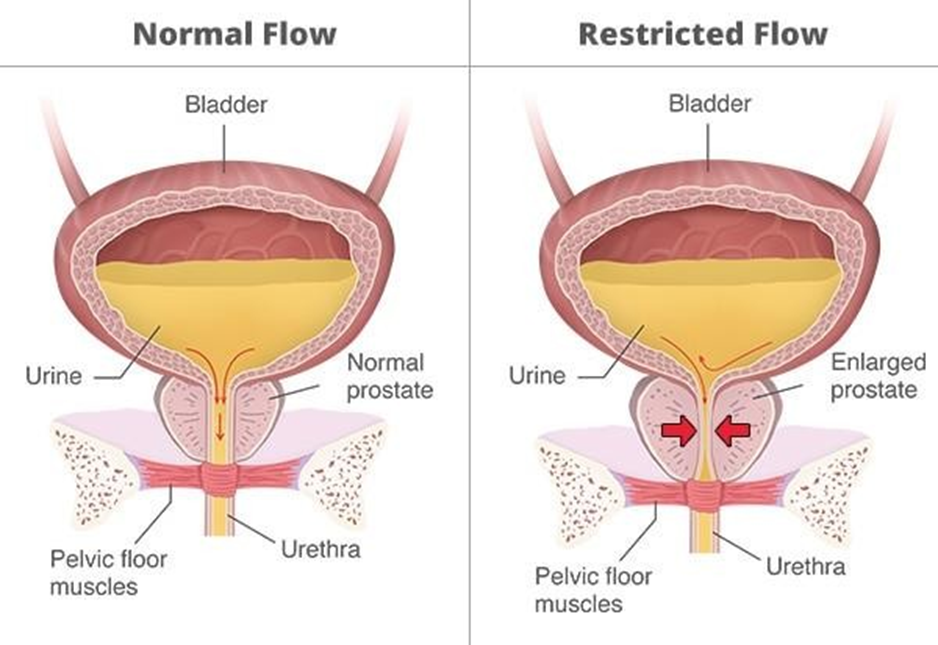
B. This client is at risk for urinary retention, which can lead to bladder distension,
infection, and renal damage. The nurse should assess the client's bladder, perform a
bladder scan, and notify the provider if indicated. This is the most urgent situation that requires immediate intervention.
C. A client who is newly diagnosed with pancreatic cancer and is scheduled to begin IV chemotherapy is not the highest priority because this is a planned procedure that does not require immediate action. The nurse should prepare the client for chemotherapy, provide emotional support, and teach the client about potential side effects and complications.
D. A client who has methicillin-resistant Staphylococcus aureus (MRSA) and has an
axillary temperature of 38° C (101° F) is not the highest priority because this is a sign of infection that can be managed with antibiotics and infection control measures. The nurse should administer the prescribed antibiotics, monitor the client's vital signs, and
implement contact precautions.
Correct Answer is A
Explanation
A. Contacting the case manager is crucial to explore various discharge options and ensure the client's needs are met appropriately.
B. Recommending long-term care should be considered after exploring other options and assessing the client's specific needs.
C. Requesting assistance from another family member is a potential option but should be explored in conjunction with other solutions.
D. Delaying discharge might not address the partner's inability to provide care and doesn't explore alternative solutions.
Whether you are a student looking to ace your exams or a practicing nurse seeking to enhance your expertise , our nursing education contents will empower you with the confidence and competence to make a difference in the lives of patients and become a respected leader in the healthcare field.
Visit Naxlex, invest in your future and unlock endless possibilities with our unparalleled nursing education contents today