
A nurse is planning a diet for a client who has an iron deficiency. To increase the client’s iron intake, which of the following foods should the nurse provide in the client’s diet?
Yogurt
Oranges
Turnips
Roast beef
The Correct Answer is D
A. Yogurt:
Yogurt is not a significant source of iron. While yogurt provides various nutritional benefits, it is not considered an iron-rich food.
B. Oranges:
Oranges are a good source of vitamin C, which enhances the absorption of non-heme iron from plant-based foods. However, oranges themselves do not contain substantial amounts of iron. The combination of vitamin C-rich foods with iron-rich foods can be beneficial for iron absorption.
C. Turnips:
Turnips are a vegetable that, while nutritious, is not particularly high in iron. Additionally, the iron in plant-based foods like turnips is non-heme iron, which is less easily absorbed by the body compared to heme iron found in animal products.
D. Roast beef:
Roast beef is a good source of heme iron, which is more easily absorbed by the body. Red meat, such as roast beef, is a valuable dietary source of iron, especially for individuals with iron deficiency.
Nursing Test Bank
Naxlex Comprehensive Predictor Exams
Related Questions
Correct Answer is D
Explanation
A. Noodles:
Noodles by themselves are typically a carbohydrate source and are lower in fat. However, it's essential to consider how they are prepared. If they are served with a high-fat sauce or other fatty ingredients, they may contribute to a higher fat intake.
B. Vegetable soup:
Vegetable soup, particularly if it is broth-based and contains a variety of vegetables, can be a healthy and lower-fat option. It provides vitamins, minerals, and fiber without a significant amount of fat.
C. Baked fish:
Baked fish is a lean source of protein and is generally lower in fat compared to fried or heavily processed options. The key is in the preparation method; baking is a healthier option than frying. However, it's essential to avoid high-fat toppings or sauces.
D. Cheddar cheese:
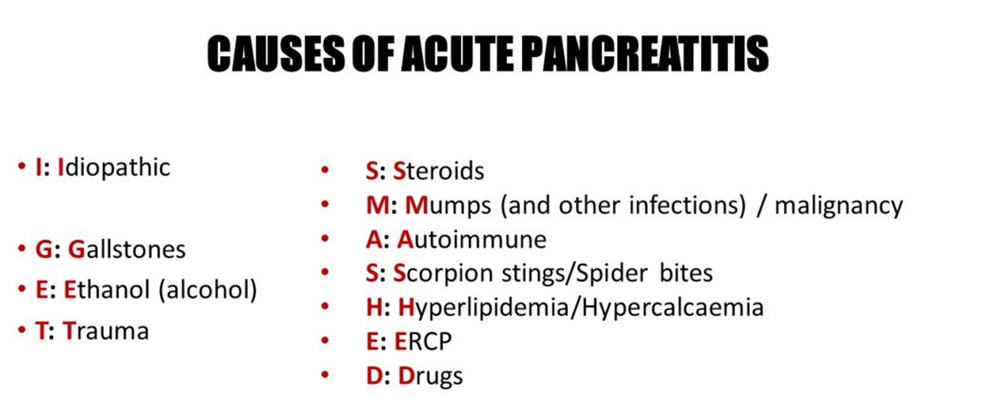
Cheddar cheese is a high-fat dairy product. Individuals with a history of pancreatitis are often advised to limit their fat intake, and high-fat foods like cheddar cheese can exacerbate symptoms. It's recommended to choose lower-fat or fat-free dairy alternatives.
Correct Answer is A
Explanation
A. Discuss a referral to home health and hospice care with the client and family.
This is the correct answer. Discussing a referral to home health and hospice care addresses the client's expressed desire to go home and provides the necessary support and care for both the client and the family during this challenging time.
B. Contact the social worker to assist with nursing home placement.
This option may not align with the client's wish to go home. Nursing home placement may not be the preferred choice, especially when the client wants to spend their final days in a home setting.
C. Talk with the provider about extending the client’s hospital stay.
Prolonging the hospital stay may not meet the client's expressed wish to go home and may not provide the same level of comfort and support as home health and hospice care.
D. Instruct the family about meeting the client’s palliative care needs at home.
While providing information about meeting palliative care needs at home is important, it is more comprehensive to involve home health and hospice services, which can provide skilled care, emotional support, and assistance to the family in managing the client's care needs at home.
Whether you are a student looking to ace your exams or a practicing nurse seeking to enhance your expertise , our nursing education contents will empower you with the confidence and competence to make a difference in the lives of patients and become a respected leader in the healthcare field.
Visit Naxlex, invest in your future and unlock endless possibilities with our unparalleled nursing education contents today