
A nurse is caring for a client who had total hip arthroplasty 1 day ago and is receiving morphine sulfate by PCA pump for pain control. The client reports nausea and vomiting. Which of the following actions is the priority for the nurse to take?
Provide an antiemetic.
Make the client NPO.
Administer a stimulant laxative.
Auscultate bowel sounds.
The Correct Answer is D
A. Provide an antiemetic.
While providing an antiemetic can help alleviate the client's nausea and vomiting, it is not the priority action. Assessment should come first to determine the underlying cause.
B. Make the client NPO.
Making the client NPO might be necessary if there is concern about bowel obstruction or other gastrointestinal issues, but this decision should be based on an initial assessment, such as auscultating bowel sounds.
C. Administer a stimulant laxative.
Administering a stimulant laxative is not appropriate at this stage without first assessing bowel sounds. It could potentially worsen the situation if there is a bowel obstruction.
D. Auscultate bowel sounds.
The priority in this situation is to assess for possible complications such as bowel obstruction or paralytic ileus, which can occur postoperatively and can be exacerbated by opioid use. Auscultating bowel sounds helps determine the presence of normal, hypoactive, or absent bowel sounds, guiding further management.
Nursing Test Bank
Naxlex Comprehensive Predictor Exams
Related Questions
Correct Answer is C
Explanation
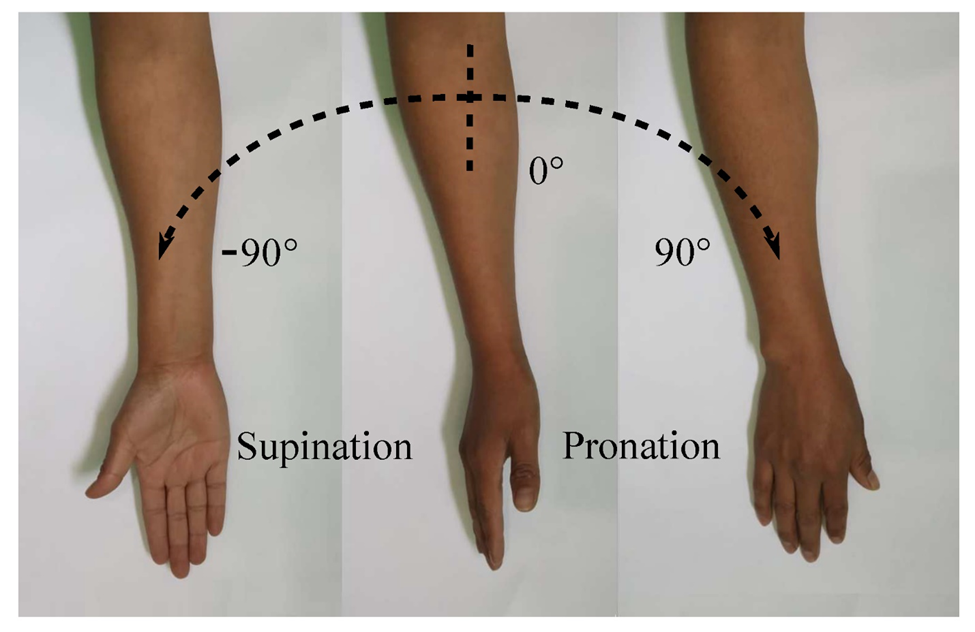
A. “Turn each of your hands and forearms so your palm is facing down.”
This describes pronation, not supination. In pronation, the palm faces down, and the radius crosses over the ulna.
B. “Take each of your hands and touch your shoulders.”
This describes flexion at the elbow joint, not supination. Flexion involves decreasing the angle between body parts.
C. “Turn each of your hands and forearms so your palm is facing up.”
This is the correct choice. Supination involves turning the hands and forearms so that the palms face up, and the radius and ulna are parallel.
D. “Move each of your arms to rest at your sides.”
This describes adduction, bringing the arms back to the sides of the body, not supination.
Correct Answer is D
Explanation
A. Cheese omelet
A cheese omelet may be acceptable for a Hindu diet, as it doesn't contain beef or pork. However, it's important to consider the individual's specific dietary preferences and any other restrictions they may follow.
B. Hamburger
A hamburger typically contains beef, which may not align with Hindu dietary laws. Hindus, in general, avoid beef, as the cow is considered a sacred animal in Hinduism.
C. Bologna sandwich
Similar to the hamburger, a bologna sandwich often contains pork products. Pork is generally avoided by individuals adhering strictly to Hindu dietary laws.
D. Steamed vegetables
Steamed vegetables are a safe option for a Hindu diet as they are plant-based and do not contain beef or pork. They align with the dietary preferences of many Hindus.
Whether you are a student looking to ace your exams or a practicing nurse seeking to enhance your expertise , our nursing education contents will empower you with the confidence and competence to make a difference in the lives of patients and become a respected leader in the healthcare field.
Visit Naxlex, invest in your future and unlock endless possibilities with our unparalleled nursing education contents today