
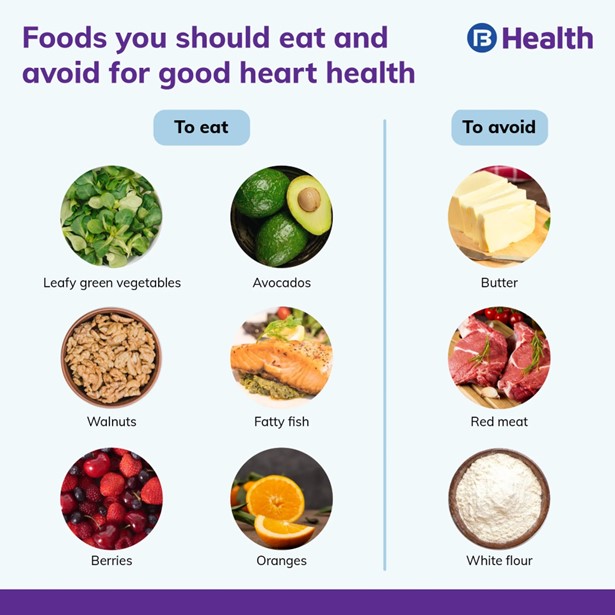
A nurse is teaching about implementing a heart-healthy diet to a client who has coronary artery disease. Which of the following foods should the nurse recommend to the client?
Canned potato soup
Baked ham
Broiled salmon
Processed cheese
The Correct Answer is C
Baked ham: Baked ham is typically high in saturated fat and sodium, which are not favorable for a heart-healthy diet. Consuming excessive amounts of saturated fat can contribute to high cholesterol levels and increase the risk of coronary artery disease.
Canned potato soup: Canned potato soup often contains high levels of sodium and may also be high in saturated fat, depending on the specific brand and recipe. Excess sodium intake can lead to high blood pressure, which is a risk factor for coronary artery disease. Therefore, canned potato soup is not an ideal choice for a heart-healthy diet.
Broiled salmon: Broiled salmon is an excellent choice for a heart-healthy diet. It is rich in omega-3 fatty acids, which have been shown to have cardiovascular benefits, including reducing the risk of heart disease. Salmon is also a good source of lean protein and contains
less saturated fat compared to red meats. It is recommended to choose broiled or grilled salmon rather than fried or breaded preparations to minimize added fats and oils.
Processed cheese: Processed cheese, such as cheese slices or spreads, tends to be high in saturated fat and sodium. These types of cheeses are not the best choice for a heart-healthy diet. It is better to opt for natural, low-fat cheeses or other dairy alternatives that are lower in saturated fat and sodium.
Nursing Test Bank
Naxlex Comprehensive Predictor Exams
Related Questions
Correct Answer is A
Explanation
In type 1 diabetes mellitus, when blood glucose levels are consistently high, the body may start breaking down fat for energy, leading to the production of ketones. Ketones can be detected in urine as a result. A blood glucose level of 190 milligrams per deciliter is elevated and can potentially trigger the production of ketones. Monitoring urine for ketones can be an important indicator of diabetes management and helps identify potential complications.
The other statements by the client indicate a lack of understanding or potential misconceptions:
● "I will keep my blood glucose levels between 200 and 212 milligrams per deciliter": This statement suggests a target range that is higher than the recommended target blood glucose levels for individuals with diabetes. Generally, the target range for blood glucose levels in individuals with diabetes is lower, typically between 80-130 mg/dL before meals and below 180 mg/dL after meals.
● "Albumin in my urine is an indication of normal kidney function": This statement is incorrect. The presence of albumin in the urine, called albuminuria, is an indication of kidney damage or dysfunction. It is a common sign of kidney disease, including diabetic nephropathy, which is a complication of diabetes affecting the kidneys.
● "I will keep my HbA1c at five percent": While maintaining a lower HbA1c level is generally desirable for individuals with diabetes, a target of five percent is too low. HbA1c is a measure of average blood glucose levels over the past two to three months. The American Diabetes Association (ADA) recommends an HbA1c target of less than 7 percent for most adults with diabetes, although individualized targets may vary based on factors such as age and other health conditions.
Correct Answer is A
Explanation
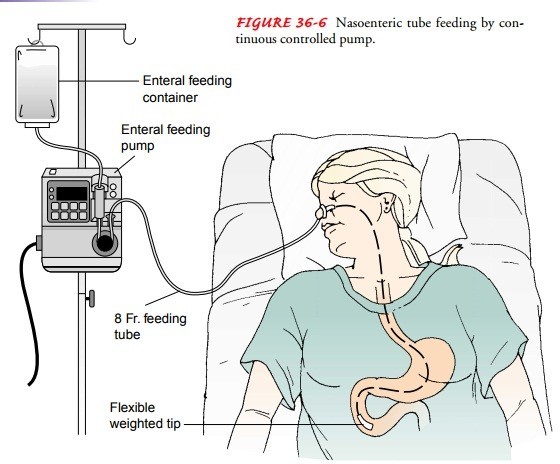
Check for gastric residual: Gastric residual refers to the volume of formula or contents in the stomach before the next feeding. Checking for gastric residual helps determine if the client is tolerating the feeding properly. If the gastric residual is high, it may indicate delayed gastric emptying or intolerance to the feeding, which can lead to cramping and abdominal distention. The nurse can assess the gastric residual volume and consult with the healthcare provider to determine the appropriate course of action.
Apply low intermittent suction: Applying low intermittent suction is not typically indicated for a client receiving a continuous enteral tube feeding. Suction is more commonly used for clients who have an aspiration risk or need intermittent gastric decompression. In the given scenario, the client is experiencing cramping and abdominal distention, which may require a different approach.
Request a higher-fat formula: Requesting a higher-fat formula may not be the appropriate action at this time. High-fat formulas can contribute to gastrointestinal issues such as increased risk of diarrhea or malabsorption. It is important to assess the client's tolerance to the current formula before considering changes.
Increase the rate of the feeding: Increasing the rate of the feeding may worsen the client's symptoms. Rapid administration of enteral feedings can overwhelm the gastrointestinal system and lead to complications such as cramping, distention, and diarrhea. It is generally recommended to start at a low rate and gradually increase it based on the client's tolerance.
Whether you are a student looking to ace your exams or a practicing nurse seeking to enhance your expertise , our nursing education contents will empower you with the confidence and competence to make a difference in the lives of patients and become a respected leader in the healthcare field.
Visit Naxlex, invest in your future and unlock endless possibilities with our unparalleled nursing education contents today