
A nurse is planning care for a client who has a new prescription for total parenteral nutrition (TPN). Which of the following actions should the nurse plan to take?
Remove TPN from the refrigerator 5 min before infusing it.
Change the dressing around the IV site weekly.
Change the IV tubing for TPN solution every 72 hr.
Discard remaining TPN solution that is still infusing after 24 hr.
The Correct Answer is D
Choice A Rationale: TPN should be removed from the refrigerator 30 minutes to an hour before use to allow it to reach room temperature, reducing the risk of crystallization and patient discomfort.
Choice B Rationale: The dressing around the IV site for TPN should be changed every 48 to 72 hours, not weekly, to prevent infection and ensure the integrity of the IV site.
Choice C Rationale: IV tubing for TPN solutions should be changed more frequently than every 72 hours, typically every 24 hours, to minimize the risk of bacterial contamination and infection.
Choice D Rationale: TPN solutions are at risk for bacterial growth, so any remaining solution after 24 hours should be discarded to prevent infection.
Nursing Test Bank
Naxlex Comprehensive Predictor Exams
Related Questions
Correct Answer is D
Explanation
A. Butter is high in saturated fat and should be limited in cooking to decrease saturated fat intake.
B. Palm oil is high in saturated fat and should be limited in cooking to decrease saturated fat intake.
C. Coconut oil is high in saturated fat and should be limited in cooking to decrease saturated fat intake.
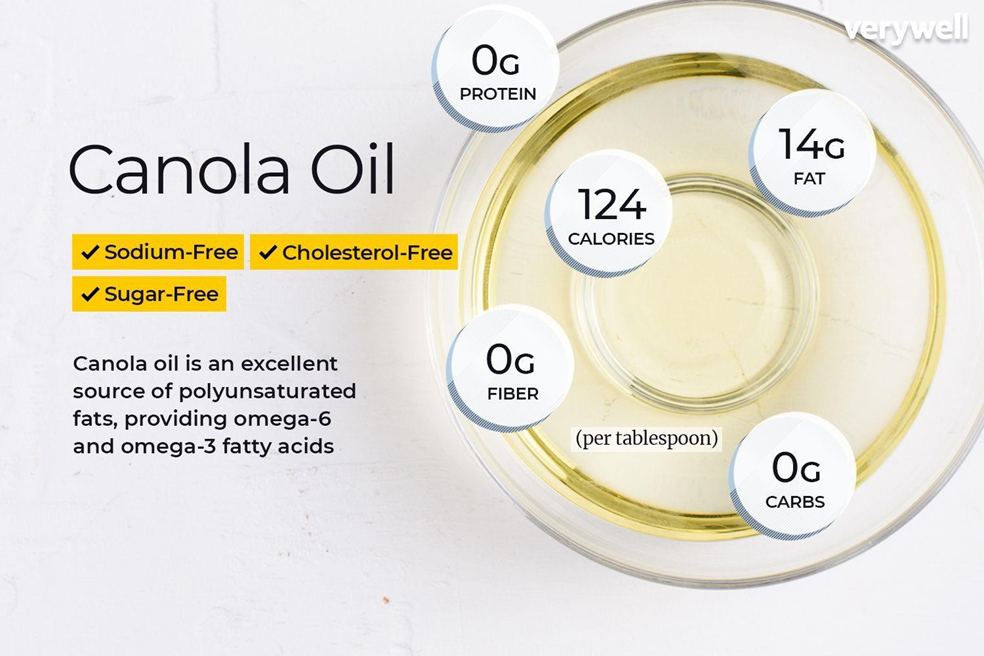
D. Canola oil is low in saturated fat compared to other oils and fats, making it a healthier option for cooking when trying to decrease saturated fat intake.
Correct Answer is {"A":{"answers":"B"},"B":{"answers":"B"},"C":{"answers":"A"},"D":{"answers":"B"},"E":{"answers":"B"}}
Explanation
Unpasteurized cheese: Contraindicated. Unpasteurized cheese carries a risk of containing harmful bacteria, which can pose a risk of infection, especially for immunocompromised individuals like those undergoing chemotherapy.
Grilled hot dog: Contraindicated. Grilled hot dogs may pose a risk of bacterial contamination, which can be harmful, especially for individuals with mouth sores and immunosuppression. High-calorie supplement drink: Safe. High-calorie supplement drinks can provide essential nutrients and calories, which can be beneficial for clients undergoing chemotherapy, especially if they have increased appetite.
Sushi: Contraindicated. Sushi may contain raw fish or other raw ingredients that can increase the risk of foodborne illness, which can be harmful for immunocompromised individuals.
Cold deli meat sandwich: Contraindicated. Cold deli meats may carry a risk of listeria contamination, which can be harmful, especially for individuals with weakened immune systems due to chemotherapy.
Whether you are a student looking to ace your exams or a practicing nurse seeking to enhance your expertise , our nursing education contents will empower you with the confidence and competence to make a difference in the lives of patients and become a respected leader in the healthcare field.
Visit Naxlex, invest in your future and unlock endless possibilities with our unparalleled nursing education contents today