
A nurse is preparing to administer subcutaneous heparin to a client. Which of the following actions should the nurse take?
Insert the needle at least 5 cm (2 in) from the umbilicus.
Aspirate before injecting the medication.
Massage the site after administering the medication.
Use a 21-gauge needle for the injection.
The Correct Answer is A
A. Insert the needle at least 5 cm (2 in) from the umbilicus: Correct. Subcutaneous injections, including heparin, should be given in fatty tissue away from major blood vessels and bony prominences. The recommended sites are usually the abdomen, thighs, or upper arms.
B. Aspirate before injecting the medication: Incorrect. Aspiration is not required for subcutaneous injections because they are administered into the subcutaneous fat layer, not a blood vessel. Aspiration could cause trauma and discomfort to the client.
C. Massage the site after administering the medication: Incorrect. Massaging the site after administering heparin can cause bruising or discomfort. Instead, it's recommended to apply gentle pressure with a sterile gauze pad for a few seconds.
D. Use a 21-gauge needle for the injection: Incorrect. Subcutaneous injections are typically administered with smaller gauge needles, such as 25-30 gauge, to minimize pain and tissue damage.
Nursing Test Bank
Naxlex Comprehensive Predictor Exams
Related Questions
Correct Answer is A
Explanation
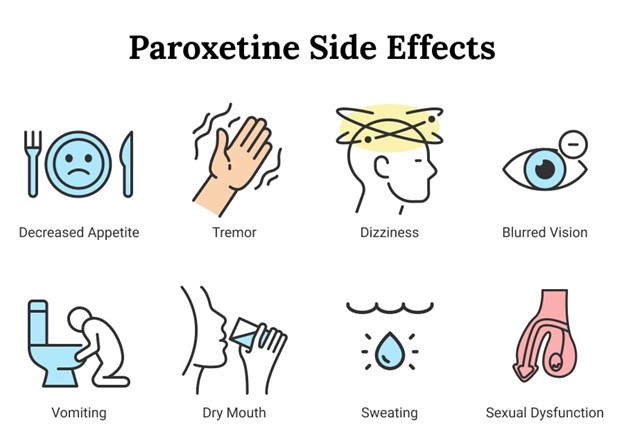
A. Drowsiness:
Correct Answer: This adverse effect is important for the client to monitor for when taking paroxetine.
Explanation: Paroxetine is an antidepressant medication classified as a selective serotonin reuptake inhibitor (SSRI). Drowsiness or sedation can be a common side effect of paroxetine and other SSRIs. The client should be advised to monitor their response to the medication and report excessive drowsiness to their healthcare provider.
B. Peripheral edema:
Incorrect Explanation: Peripheral edema is not a typical adverse effect of paroxetine.
Explanation: Peripheral edema is not a common side effect associated with paroxetine use. It's important to monitor for adverse effects, but this specific symptom is not usually associated with this medication.
C. Tinnitus:
Incorrect Explanation: Tinnitus (ringing in the ears) is not commonly associated with paroxetine use.
Explanation: Tinnitus is not a typical side effect of paroxetine. It's important for the client to report any new or unusual symptoms, but tinnitus is not one of the more common adverse effects of this medication.
D. Alopecia:
Incorrect Explanation: Alopecia (hair loss) is not commonly associated with paroxetine use.
Explanation: Alopecia is not a typical side effect of paroxetine. While hair loss can occur with certain medications, it is not a common concern with paroxetine.
Correct Answer is A
Explanation
A. Bruxism:
Correct Answer: This adverse effect is a priority to report to the provider.
Explanation: Bruxism refers to teeth grinding or clenching, often unconsciously during sleep. It can be a potential side effect of citalopram and other selective serotonin reuptake inhibitors (SSRIs). Bruxism can lead to dental problems, jaw pain, and other discomforts. If this side effect occurs, it should be reported to the provider as it can impact the client's oral health and overall well-being.
B. Confusion:
Incorrect Explanation: While confusion is a concerning adverse effect, it's not typically associated with citalopram use.
Explanation: Confusion is more commonly associated with other medications or medical conditions. If a client experiences confusion, a thorough assessment is warranted, but it may not be directly attributed to citalopram.
C. Weight loss:
Incorrect Explanation: Weight loss can be a side effect of citalopram, but it's not the highest priority in this scenario.
Explanation: Weight loss is a possible side effect of many antidepressants, including citalopram. However, it is generally not as immediately concerning as other adverse effects that can impact a client's health and well-being.
D. Insomnia:
Incorrect Explanation: Insomnia is a common side effect of citalopram and other antidepressants, but it's not the highest priority in this context.
Explanation: Insomnia can be a transient side effect when starting an antidepressant-like citalopram. While it can affect the client's quality of life, it is not as urgent as potential dental issues caused by bruxism.
Whether you are a student looking to ace your exams or a practicing nurse seeking to enhance your expertise , our nursing education contents will empower you with the confidence and competence to make a difference in the lives of patients and become a respected leader in the healthcare field.
Visit Naxlex, invest in your future and unlock endless possibilities with our unparalleled nursing education contents today