
A nurse is providing breakfast for a client who has celiac disease. Which of the following meal items should the nurse select?
Graham crackers with peanut butter
Poached eggs with wheat bagel
Rice cereal with sliced bananas
Rye toast with herbal tea
The Correct Answer is C
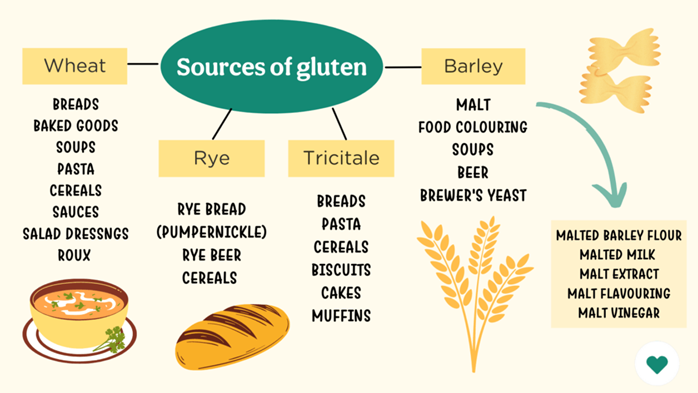
Choice A reason: Graham crackers are made from wheat flour, which contains gluten. Peanut butter is a good source of fat and protein, but it may also contain traces of gluten from cross-contamination.
Choice B reason: Poached eggs are a good source of protein, but wheat bagel contains gluten, which is a protein found in wheat, barley, and rye. Gluten can damage the small intestine and cause malabsorption, diarrhea, and abdominal pain in people with celiac disease.
Choice C reason: Rice cereal is gluten-free and a good source of carbohydrates. Sliced bananas are gluten-free and a good source of potassium, fiber, and vitamin C.
Choice D reason: Rye toast contains gluten, which can harm people with celiac disease. Herbal tea is gluten-free and can help with hydration, but it does not provide enough calories or nutrients.
Nursing Test Bank
Naxlex Comprehensive Predictor Exams
Related Questions
Correct Answer is C
Explanation
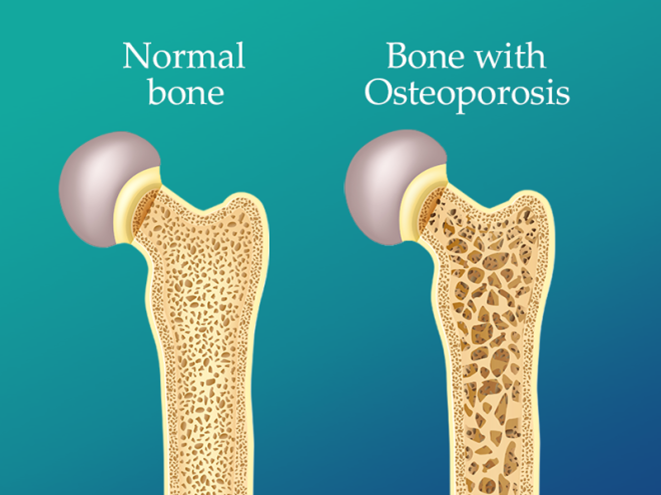
Choice A reason: 1 cup green grapes has about 15 mg of calcium, which is low compared to other foods. Green grapes are also a good source of vitamin C, potassium, and antioxidants.
Choice B reason: One medium banana has about 6 mg of calcium, which is very low compared to other foods. Banana is also a good source of potassium, fiber, and vitamin B6.
Choice C reason: 1 cup broccoli has about 180 mg of calcium, which is high compared to other foods. Broccoli is also a good source of vitamin C, folate, and antioxidants.
Choice D reason: One large tomato has about 18 mg of calcium, which is low compared to other foods. Tomato is also a good source of vitamin C, lycopene, and potassium.
Correct Answer is C
Explanation
Choice A reason: 1 cup green grapes has about 15 mg of calcium, which is low compared to other foods. Green grapes are also a good source of vitamin C, potassium, and antioxidants.
Choice B reason: One medium banana has about 6 mg of calcium, which is very low compared to other foods. Banana is also a good source of potassium, fiber, and vitamin B6.
Choice C reason: 1 cup broccoli has about 180 mg of calcium, which is high compared to other foods. Broccoli is also a good source of vitamin C, folate, and antioxidants.
Choice D reason: One large tomato has about 18 mg of calcium, which is low compared to other foods. Tomato is also a good source of vitamin C, lycopene, and potassium.
Whether you are a student looking to ace your exams or a practicing nurse seeking to enhance your expertise , our nursing education contents will empower you with the confidence and competence to make a difference in the lives of patients and become a respected leader in the healthcare field.
Visit Naxlex, invest in your future and unlock endless possibilities with our unparalleled nursing education contents today