
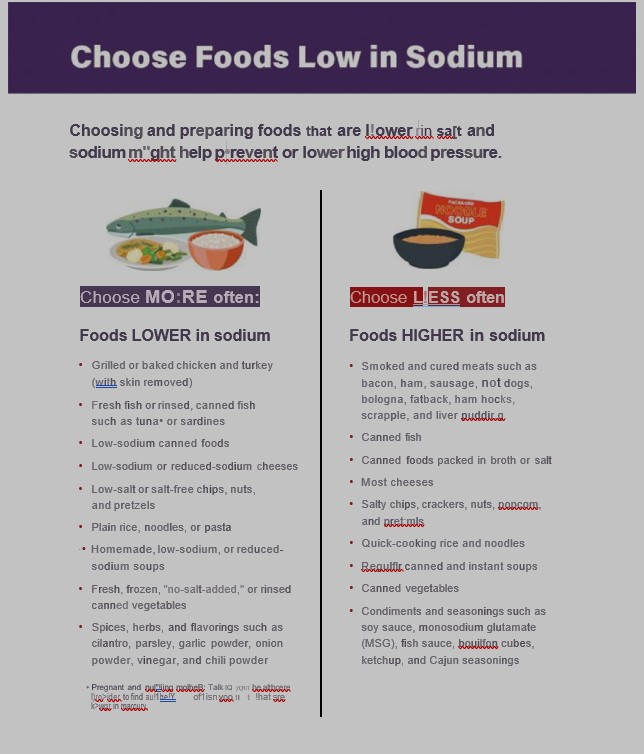
A nurse is providing teaching to a client who has heart failure about limiting sodium intake to 1,000 mg/day. The nurse should inform the client that which of the following dairy products has the highest sodium content?
1/2 cup yogurt
2 oz processed cheese
1 cup milk
4 oz vanilla pudding
The Correct Answer is B
2 oz processed cheese: Processed cheese, including cheese slices or spreads, tends to have a higher sodium content compared to other dairy products. The processing methods used in the production of processed cheese often involve the addition of sodium-containing ingredients to enhance flavor and improve texture.
1/2 cup yogurt: Yogurt generally has a lower sodium content compared to processed cheese. However, the sodium content can vary depending on the brand and type of yogurt. It is advisable to choose plain or low-sodium yogurt to minimize sodium intake.
1 cup milk: Plain milk, such as cow's milk, typically has a lower sodium content compared to processed cheese. However, it is important to note that flavored or sweetened milk products may contain added sugars and other ingredients that can increase sodium content. Choosing unsweetened or low-sodium varieties is recommended.
4 oz vanilla pudding: While some commercial pudding mixes may contain sodium, the sodium content in vanilla pudding is generally lower compared to processed cheese. However, it is important to read food labels and choose lower sodium options or consider homemade versions to better control sodium intake.
Nursing Test Bank
Naxlex Comprehensive Predictor Exams
Related Questions
Correct Answer is ["A","C","D"]
Explanation
In a nutrition plan for a client at risk for malnutrition, the nurse should include the following actions:
Assess for pain prior to mealtime: Pain can significantly impact a person's appetite and ability to eat. Assessing for pain before mealtime can help identify any discomfort that may hinder the client's ability to eat.
Provide mouth care before feeding: Proper oral hygiene is essential for maintaining a healthy appetite and preventing oral health issues that can affect eating. Providing mouth care before feeding helps ensure a clean and comfortable oral environment.
Remove the bedpan from the client's sight: Sight and smell can have a significant impact on a person's appetite. Removing the bedpan from the client's sight can help create a more pleasant dining environment and promote a better appetite.
However, the following actions should not be included in the plan:
Discourage snacks between meals: For clients at risk for malnutrition, it may be necessary to encourage nutrient-dense snacks between meals to increase caloric intake. Discouraging snacks may further contribute to malnutrition.
Administer antiemetics following the meal: Administering antiemetics following a meal is not a routine action in a nutrition plan. Antiemetics are typically used to treat nausea and vomiting, which may interfere with a person's ability to eat, but their administration should be based on specific symptoms and prescribed by a healthcare provider.
Correct Answer is B
Explanation
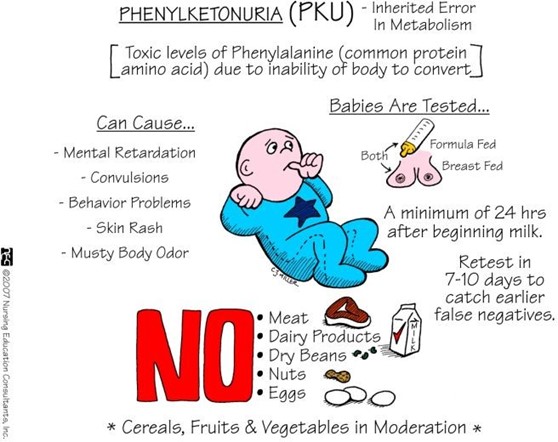
Phenylketonuria (PKU) is an inherited metabolic disorder in which the body cannot properly process an amino acid called phenylalanine. If left untreated, phenylalanine can build up to harmful levels in the body, leading to intellectual disability and other health problems. Managing PKU involves following a strict low-phenylalanine diet.
When discussing anticipatory guidance for a client with PKU who is planning a pregnancy, it is important to focus on monitoring the maternal phenylalanine levels during pregnancy. Serum bilirubin is not directly related to PKU management and would not require specific monitoring in this context.
Regarding the other options:
"Diet sodas should not be consumed more than two or three times per week": While it is generally advisable to limit the consumption of diet sodas due to their artificial sweeteners, this statement does not directly relate to PKU management or pregnancy planning.
"A low-protein diet should be followed for 3 months prior to conception": A low-protein diet is a fundamental aspect of managing PKU. However, the timeline mentioned (3 months prior to conception) is not supported by current guidelines. PKU management should be ongoing and tailored to the individual's needs, with dietary adjustments made as necessary throughout pregnancy.
"Breastfeeding will prevent your baby from developing PKU": This statement is incorrect. Breast milk naturally contains phenylalanine, which could be harmful to an infant with PKU. Infants with PKU must receive a specialized formula that is low in phenylalanine from birth. Breastfeeding is not recommended for infants with PKU unless specifically guided by a healthcare professional.
Whether you are a student looking to ace your exams or a practicing nurse seeking to enhance your expertise , our nursing education contents will empower you with the confidence and competence to make a difference in the lives of patients and become a respected leader in the healthcare field.
Visit Naxlex, invest in your future and unlock endless possibilities with our unparalleled nursing education contents today