
A nurse is reinforcing teaching with a client who has an ankle sprain. Which of the following instructions should the nurse include?
Apply the elastic compression dressing tight enough so the toes and ankle become numb.
Place moderate weight on the affected leg when walking.
Elevate the affected ankle to the level of the heart.
Apply heat during the first 24 hr.
The Correct Answer is C
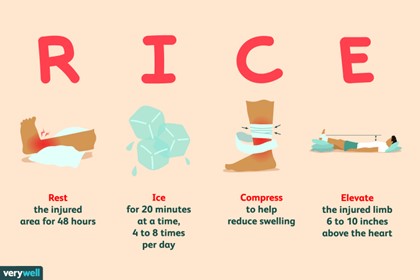
The nurse should instruct the client to elevate the affected ankle to the level of the heart. Elevation helps to reduce swelling and pain by promoting venous return and decreasing blood flow to the injured area. This is an important part of the RICE (Rest, Ice, Compression, Elevation) method for treating sprains and strains.
a. The elastic compression dressing should not be applied so tight that it causes numbness in the toes and ankle.
b. The client should avoid placing weight on the affected leg when walking until advised by a healthcare provider.
d. Heat should not be applied during the first 24 hours after a sprain as it can increase swelling and inflammation.
Nursing Test Bank
Naxlex Comprehensive Predictor Exams
Related Questions
Correct Answer is D
Explanation
Having the client lie prone several times each day is an appropriate nursing intervention for a client who is 2 days postoperative following an above-the-knee amputation. Lying prone can help prevent hip flexion contractures, which can occur after an above-the-knee amputation².
a. Elevating the foot of the bed is not an appropriate intervention for a client who is 2 days postoperative following an above-the-knee amputation.
b. Encouraging sitting up as much as possible is not an appropriate intervention for a client who is 2 days postoperative following an above-the-knee amputation.
c. Elevating the stump on a pillow is not an appropriate intervention for a client who is 2 days postoperative following an above-the-knee amputation.
Correct Answer is A,B,C,D
Explanation
The order of the steps for the four-point alternate gait with crutches is as follows: move the right crutch about 10 to 15 cm (4 to 6 in), move the left foot forward, move the left crutch forward, and move the right foot forward. This gait patern provides maximum stability and support for the client by keeping three points of contact on the ground at all times.
Whether you are a student looking to ace your exams or a practicing nurse seeking to enhance your expertise , our nursing education contents will empower you with the confidence and competence to make a difference in the lives of patients and become a respected leader in the healthcare field.
Visit Naxlex, invest in your future and unlock endless possibilities with our unparalleled nursing education contents today