
A nurse is reinforcing teaching with a client who has gastroesophageal reflux disease (GERD) about minimizing the effects of reflux during sleep. Which of the following client statements indicates an understanding of the teaching?
"I should elevate the head of the bed."
"I will sleep on my stomach with my head flat."
"I will have a snack 1 hour before going to bed."
"I can have 6 ounces of alcohol before bed, to help me sleep."
The Correct Answer is A
Elevating the head of the bed can help reduce the symptoms of GERD during sleep. By elevating the head, gravity can help prevent stomach acid from flowing back into the esophagus, reducing the occurrence of reflux.
The other statements do not demonstrate an understanding of the teaching: "I will sleep on my stomach with my head flat": Sleeping on the stomach can actually worsen the symptoms of GERD as it can increase the likelihood of stomach acid flowing back into the esophagus. It is generally recommended to sleep on the left side or back to minimize reflux.
"I will have a snack 1 hour before going to bed": Consuming a snack close to bedtime can increase the likelihood of reflux during sleep. It is generally recommended to avoid eating at least 2 to 3 hours before lying down to minimize reflux symptoms.
"I can have 6 ounces of alcohol before bed, to help me sleep": Alcohol can relax the lower esophageal sphincter (LES) and increase the risk of reflux. It is best to avoid alcohol before bedtime, especially for individuals with GERD.
Nursing Test Bank
Naxlex Comprehensive Predictor Exams
Related Questions
Correct Answer is A
Explanation
Elevating the head of the bed to a semi-Fowler's or high Fowler's position helps prevent aspiration during the feeding. This position facilitates proper digestion and reduces the risk of
regurgitation or reflux. It allows gravity to assist in keeping the feeding in the stomach and reduces the likelihood of complications.
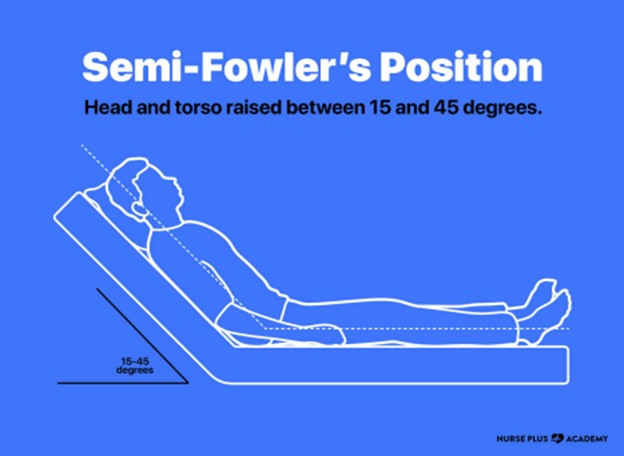
The other actions mentioned are also important steps in the process but should be performed after elevating the head of the bed:
Measure stomach contents: This step is usually done before administering any enteral feeding to check for the presence of residual gastric contents. It helps determine if the client is tolerating previous feedings and guides adjustments in the feeding volume or rate if needed.
Return gastric content into the gastrostomy tube: If there is a significant amount of gastric residual, it is recommended to return the contents into the stomach before administering the feeding. This helps ensure that the client receives the full prescribed amount of the enteral feeding.
Flush the tube with water: Flushing the gastrostomy tube with water before and after the feeding helps maintain tube patency, clears any residual feeding or medication, and prevents clogging.
Correct Answer is ["100"]
Explanation
To calculate the IV flow rate in drops per minute (gtt/min), you can use the following formula: Flow rate (gtt/min) = (Volume to be infused in mL) x (Drop factor) / (Time in minutes) In this case, the volume to be infused is 100 mL, the drop factor is 60 gtt/mL, and the time is 60 minutes.
Flow rate (gtt/min) = (100 mL) x (60 gtt/mL) / (60 min)
Canceling out the mL and min units, the formula becomes:
Flow rate (gtt/min) = 100 x 60 / 60
Flow rate (gtt/min) = 100
Therefore, the nurse should set the IV flow rate to deliver 100 gtt/min.
Whether you are a student looking to ace your exams or a practicing nurse seeking to enhance your expertise , our nursing education contents will empower you with the confidence and competence to make a difference in the lives of patients and become a respected leader in the healthcare field.
Visit Naxlex, invest in your future and unlock endless possibilities with our unparalleled nursing education contents today