
A nurse is reviewing a client's laboratory results and sees that their hemoglobin A1C is 9%. Which of the following statements from the nurse is appropriate?
"Your blood sugar is very unstable."
"Your blood sugar is too high after meals."
"Your average blood sugar is high."
"You have many dangerously low blood sugar levels."
The Correct Answer is C
A. "Your blood sugar is very unstable." While high HbA1C levels can indicate poor glucose control, they do not specifically indicate instability in blood sugar levels (i.e., frequent fluctuations between high and low levels). HbA1C does not capture short-term variations in blood glucose; it only provides an average over a few months.
B. "Your blood sugar is too high after meals." Although postprandial (after-meal) glucose levels contribute to overall blood glucose levels, HbA1C measures the average blood glucose level over several months and is not specific to postprandial glucose levels. A high HbA1C suggests elevated glucose levels overall, not just after meals.
C. "Your average blood sugar is high." HbA1C measures the average blood sugar level over an extended period, typically 2-3 months. A result of 9% indicates that the client's average blood glucose levels have been consistently high, suggesting poor long-term glucose control. This is a precise and appropriate statement reflecting the meaning of the HbA1C result.
D. "You have many dangerously low blood sugar levels." A high HbA1C indicates elevated blood glucose levels over time, not low levels. Low blood sugar levels (hypoglycemia) would not contribute to a high HbA1C. In fact, frequent hypoglycemia would more likely result in a lower HbA1C, not a higher one.
Nursing Test Bank
Naxlex Comprehensive Predictor Exams
Related Questions
Correct Answer is D
Explanation
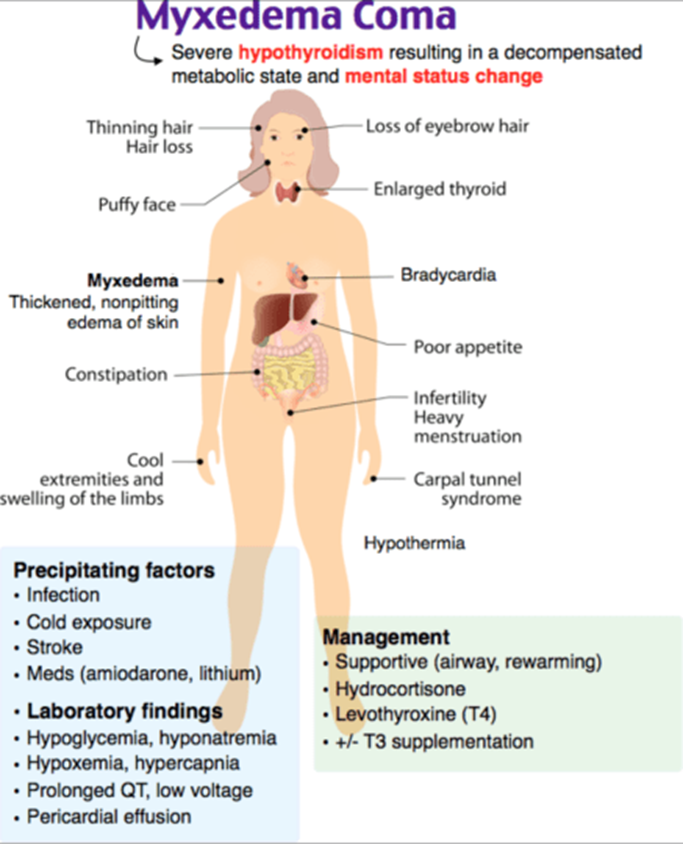
A. Heat intolerance: Heat intolerance is typically associated with hyperthyroidism, where metabolic processes are increased. Myxedema is a severe form of hypothyroidism, characterized by a decreased metabolic rate, which would more likely cause cold intolerance, not heat intolerance.
B. Tachycardia: Tachycardia (rapid heart rate) is generally seen in hyperthyroidism due to increased metabolism. Myxedema, which is associated with hypothyroidism, more commonly presents with bradycardia (slow heart rate).
C. Diarrhea: Diarrhea is a symptom of hyperthyroidism because of the increased gastrointestinal motility. In hypothyroidism, and specifically myxedema, constipation is more common due to decreased GI motility.
D. Facial edema: Myxedema is characterized by significant hypothyroidism leading to the accumulation of mucopolysaccharides in the skin and other tissues, causing facial edema and a puffy appearance. This is a classic symptom of severe hypothyroidism.
Correct Answer is D
Explanation
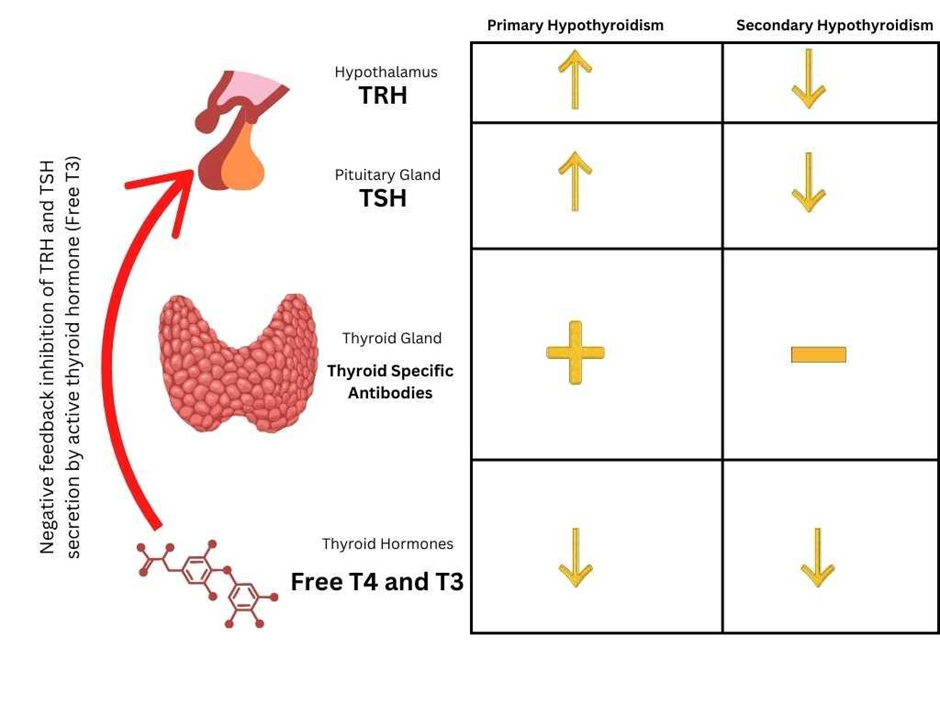
A. Serum T4: In primary hypothyroidism, serum T4 levels are usually low due to decreased production by the thyroid gland.
B. Serum T3: Serum T3 levels are also typically low in primary hypothyroidism, as the thyroid gland produces less hormone overall.
C. Free T4: Free T4, the biologically active form of T4, is also usually low in primary hypothyroidism, reflecting decreased thyroid function.
D. Thyroid stimulating hormone (TSH): In primary hypothyroidism, the thyroid gland is underactive and does not produce enough thyroid hormones (T3 and T4). As a result, the pituitary gland releases more TSH in an attempt to stimulate the thyroid to produce more hormones, leading to elevated TSH levels.
Whether you are a student looking to ace your exams or a practicing nurse seeking to enhance your expertise , our nursing education contents will empower you with the confidence and competence to make a difference in the lives of patients and become a respected leader in the healthcare field.
Visit Naxlex, invest in your future and unlock endless possibilities with our unparalleled nursing education contents today