
A nurse is teaching a client who has a prescription for ferrous gluconate. Which of the following statements by the client indicates an understanding of the teaching?
"I should notify my provider if my stools turn black."
1 should take an antacid with this medication to prevent stomach upset."
should stay upright for at least 15 minutes after taking this medication."
should take this medication with 8 ounces of milk."
The Correct Answer is A
Choice A Reason:
"I should notify my provider if my stools turn black." This is the appropriate statement. Ferrous gluconate is an iron supplement commonly prescribed to treat or prevent iron deficiency anemia. When taking iron supplements, it's common for stools to become darker or even black in color. This change in stool color is due to the iron and is generally harmless. However, it's essential to inform the healthcare provider about this change because it can also indicate bleeding in the gastrointestinal tract, which requires evaluation.
Choice B Reason:
Taking an antacid with iron supplements can interfere with iron absorption. Antacids may decrease the absorption of iron in the stomach, so it's not recommended to take them together.
Choice C Reason:
While staying upright after taking certain medications can help prevent esophageal irritation or reflux, it's not specifically required with ferrous gluconate.
Choice D Reason:
Taking iron supplements with milk is also not recommended as milk and calcium-containing products can inhibit the absorption of iron. It's generally best to take iron supplements on an empty stomach or with vitamin C to enhance absorption, unless otherwise instructed by the healthcare provider.
Nursing Test Bank
Naxlex Comprehensive Predictor Exams
Related Questions
Correct Answer is C
Explanation
Choice A Reason:
Increase in serum glucose is incorrect. Desmopressin, which is a synthetic form of vasopressin, primarily affects water reabsorption in the kidneys and doesn't directly impact glucose levels. Therefore, an increase in serum glucose wouldn't be an expected therapeutic response to desmopressin for diabetes insipidus.
Choice B Reason:
Decrease in blood pressure is incorrect. Desmopressin is primarily used for its antidiuretic effect, concentrating urine by increasing water reabsorption in the kidneys. It typically doesn't have a significant impact on blood pressure. Therefore, a decrease in blood pressure wouldn't typically be an anticipated therapeutic response to desmopressin in this context.
Choice C Reason:
Decrease in urine output is correct. Desmopressin is a synthetic form of vasopressin (antidiuretic hormone) used to treat diabetes insipidus, a condition characterized by excessive urination and extreme thirst due to the inability to concentrate urine. The primary goal of desmopressin is to reduce urine output by increasing water reabsorption in the kidneys, thereby decreasing excessive urination. Therefore, a decrease in urine output would indicate a therapeutic response to the medication in this context.
Choice D Reason:
Increase in WBC count is incorrect. Desmopressin's action is centered on affecting kidney function by regulating water reabsorption and does not involve changes in white blood cell count. Consequently, an increase in WBC count wouldn't be an expected therapeutic response to desmopressin for diabetes insipidus.
Correct Answer is D
Explanation
Choice A Reason:
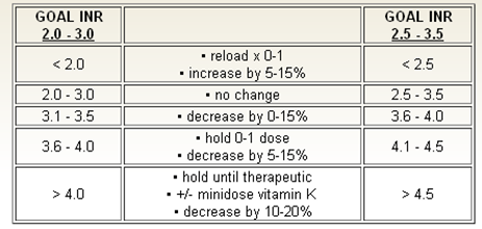
Decrease the dose of the medication is incorrect. Lowering the dose could potentially drop the INR below the therapeutic range, increasing the risk of clot formation.
Choice B Reason:
Increase the dose of the medication is incorrect. Raising the dose might push the INR above the therapeutic range, increasing the risk of bleeding.
Choice C Reason:
Withhold the medication is incorrect. Withholding the medication might lead to inadequate anticoagulation and an increased risk of clot formation.
Choice D Reason:
Administer the current dose of the medication. An INR of 2.5 is within the therapeutic range for many indications, including atrial fibrillation. This means the blood is appropriately anticoagulated to prevent clot formation without an excessive risk of bleeding. In this scenario, maintaining the current dose of warfarin is often appropriate to sustain the desired therapeutic effect.
Whether you are a student looking to ace your exams or a practicing nurse seeking to enhance your expertise , our nursing education contents will empower you with the confidence and competence to make a difference in the lives of patients and become a respected leader in the healthcare field.
Visit Naxlex, invest in your future and unlock endless possibilities with our unparalleled nursing education contents today