
A nurse is reviewing the laboratory results of a client who has rheumatoid arthritis and a prescription for cyclosporine.
The nurse should report which of the following laboratory values to the provider?
Creatinine.5 mg/dL.
Potassium 4.2 mEq/L.
BUN 18 mg/dL.
Sodium 139 mEq/L.
The Correct Answer is A
Cyclosporine is an immunosuppressant medication that can have nephrotoxic effects.
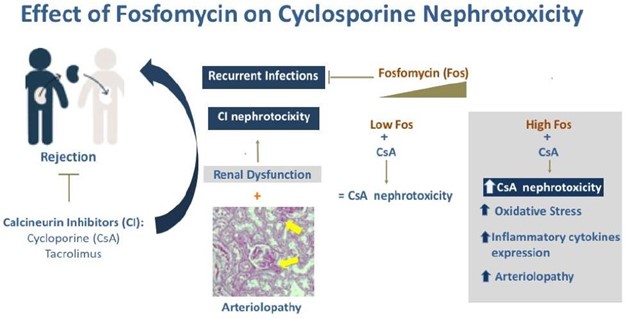
A creatinine level of.5 mg/dL is above the normal range and may indicate impaired kidney function.
The nurse should report this value to the provider for further evaluation.
Choice B is wrong because Potassium 4.2 mEq/L, is not the correct answer because it falls within the normal range for potassium levels in the blood.
Choice C is wrong because BUN 18 mg/dL, is not the correct answer because it falls within the normal range for blood urea nitrogen levels.
Choice D is wrong because Sodium 139 mEq/L, is not the correct answer because it falls within the normal range for sodium levels in the blood.
Nursing Test Bank
Naxlex Comprehensive Predictor Exams
Related Questions
Correct Answer is B
Explanation
Osmotic laxatives work by drawing water into the intestines, which can lead to fluid loss and dehydration if not enough fluids are consumed.
Oliguria, or decreased urine output, can be a sign of fluid volume deficit and dehydration.
Choice A is wrong because Weight gain, is not an indication of fluid volume deficit as weight loss is more commonly associated with dehydration.
Choice C is wrong because Headaches, can be a symptom of dehydration but is not specific to fluid volume deficit.
Choice D is wrong because Nausea, can also be a symptom of dehydration but is not specific to fluid volume deficit.
Correct Answer is A
Explanation
Nasal cyanocobalamin is a form of vitamin B12 that is used to treat pernicious anemia.
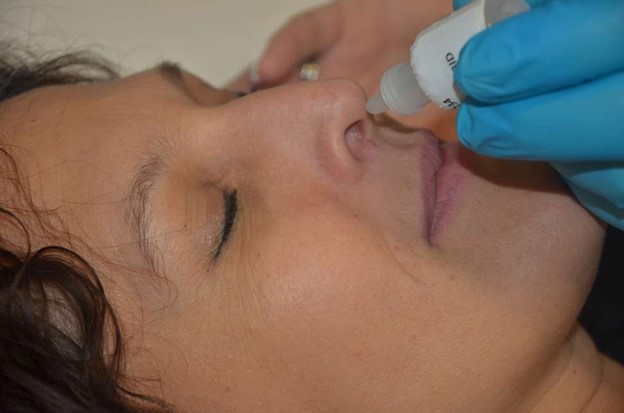
It is typically administered once per week into one nostril.
Choice B is wrong because there is no need to lie down for 1 hour after administering the medication.
Choice C is wrong because using a nasal decongestant before administering the medication is not necessary and may interfere with the absorption of the medication.
Choice D is wrong because the duration of treatment with nasal cyanocobalamin varies and should be determined by the provider based on the client’s individual needs.
Whether you are a student looking to ace your exams or a practicing nurse seeking to enhance your expertise , our nursing education contents will empower you with the confidence and competence to make a difference in the lives of patients and become a respected leader in the healthcare field.
Visit Naxlex, invest in your future and unlock endless possibilities with our unparalleled nursing education contents today