
A nurse is reviewing the medication record of a client who has a new prescription for fluoxetine. Which of the following medications should the nurse expect the provider to discontinue 2 weeks before starting fluoxetine treatment?
Levothyroxine
Acetaminophen
Simvastatin
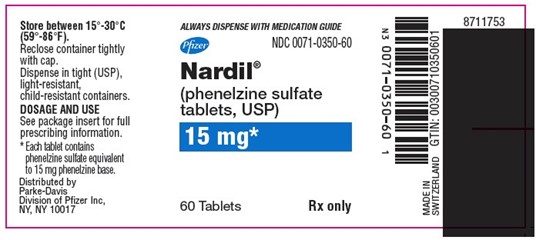
Phenelzine
The Correct Answer is D
The nurse should expect the provider to discontinue phenelzine 2 weeks before starting fluoxetine treatment. Phenelzine is a monoamine oxidase inhibitor (MAOI) and should not be taken with fluoxetine, which is a selective serotonin reuptake inhibitor (SSRI). Taking these two medications together can cause a dangerous drug interaction known as serotonin syndrome.
a) Levothyroxine is a thyroid hormone replacement medication and does not interact with fluoxetine.
b) Acetaminophen is a pain reliever and does not interact with fluoxetine.
c) Simvastatin is a cholesterol- lowering medication and does not interact with fluoxetine.
Nursing Test Bank
Naxlex Comprehensive Predictor Exams
Related Questions
Correct Answer is D
Explanation
The nurse should expect to find hyperkalemia in the medical record of a client who has sustained a full- thickness burn and is in the emergent phase of the burn. This is due to the release of potassium from damaged cells into the bloodstream.
a) Hypernatremia is not a common finding in the emergent phase of a burn.
b) Hypercalcemia is not a common finding in the emergent phase of a burn.
c) Hypermagnesemia is not a common finding in the emergent phase of a burn.
Correct Answer is D
Explanation
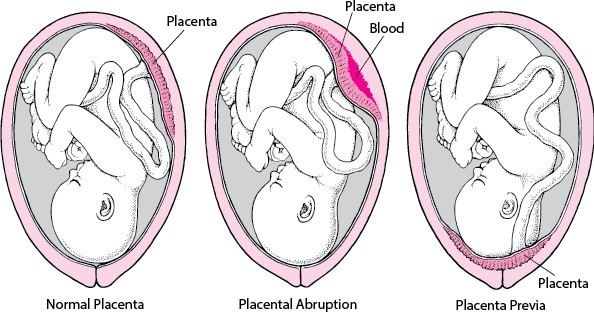
Placenta previa is a condition where the placenta partially or completely covers the opening of the cervix. One of the hallmark signs of placenta previa is painless vaginal bleeding, typically bright red in color. This bleeding can occur spontaneously or during activities that put pressure on the uterus, such as sexual intercourse or physical exertion.
A rigid abdomen is not typically associated with placenta previa. It may indicate other conditions, such as peritonitis or abdominal muscle rigidity, but it is not a characteristic finding of placenta previa.
Persistent uterine contractions are not typically associated with placenta previa. Placenta previa is more commonly associated with painless bleeding rather than contractions. However, if placenta previa is complicated by other factors, such as placental abruption, contractions and abdominal pain may be present.
Fetal movement is not directly related to placenta previa. Fetal movement can vary from person to person and does not specifically indicate placenta previa. However, it is important for the nurse to assess fetal well-being in clients with placenta previa as bleeding can impact the oxygen supply to the fetus.
Whether you are a student looking to ace your exams or a practicing nurse seeking to enhance your expertise , our nursing education contents will empower you with the confidence and competence to make a difference in the lives of patients and become a respected leader in the healthcare field.
Visit Naxlex, invest in your future and unlock endless possibilities with our unparalleled nursing education contents today