
A nurse is reviewing the results of a 24-hour urine collection for a client who is 32 weeks pregnant and has suspected pre-eclampsia.
Which of the following findings indicates proteinuria?
Protein excretion of 150 mg
Protein excretion of 250 mg
Protein excretion of 350 mg
Protein excretion of 450 mg
The Correct Answer is D
Protein excretion of 450 mg indicates proteinuria. Proteinuria is the presence of excess protein in the urine, which can be a sign of kidney damage or disease. Normal protein excretion in a 24-hour urine collection is less than 150 mg.
Choice A is wrong because protein excretion of 150 mg is within the normal range.
Choice B is wrong because protein excretion of 250 mg is slightly above the normal range, but not enough to indicate proteinuria.
Choice C is wrong because protein excretion of 350 mg is also above the normal range, but not enough to indicate proteinuria.
Preeclampsia is a condition that affects some pregnant women, usually after 20 weeks of pregnancy. It causes high blood pressure and proteinuria, which can harm both the mother and the baby. A 24-hour urine collection is a simple lab test that measures what’s in the urine and checks kidney function. The test is done by collecting all the urine passed in a 24-hour period in a special container that must be kept cool until returned to the lab.
Nursing Test Bank
Naxlex Comprehensive Predictor Exams
Related Questions
Correct Answer is D
Explanation
Protein excretion of 450 mg indicates proteinuria.Proteinuria is the presence of excess protein in the urine, which can be a sign of kidney damage or disease.Normal protein excretion in a 24-hour urine collection is less than 150 mg.
Choice A is wrong because protein excretion of 150 mg is within the normal range.
Choice B is wrong because protein excretion of 250 mg is slightly above the normal range, but not enough to indicate proteinuria.
Choice C is wrong because protein excretion of 350 mg is also above the normal range, but not enough to indicate proteinuria.
Preeclampsia is a condition that affects some pregnant women, usually after 20 weeks of pregnancy.It causes high blood pressure and proteinuria, which can harm both the mother and the baby.A 24-hour urine collection is a simple lab test that measures what’s in the urine and checks kidney function.The test is done by collecting all the urine passed in a 24-hour period in a special container that must be kept cool until returned to the lab.
Correct Answer is ["A","B","C","E"]
Explanation
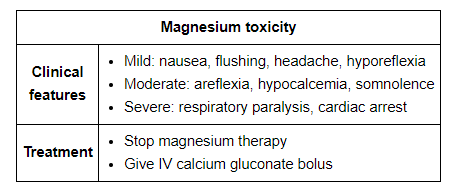
The correct answer is choice A, B, C and E.The nurse should monitor the client’s deep tendon reflexes hourly because magnesium sulfate can cause neuromuscular blockade and decreased reflexes.The nurse should keep calcium gluconate readily available because it is the antidote for magnesium toxicity.The nurse should maintain a urine output of at least 40 mL/hr because magnesium is excreted by the kidneys and low urine output can indicate renal impairment or fluid overload.The nurse should check the client’s blood pressure every 15 minutes because magnesium sulfate can cause hypotension and preeclampsia can cause hypertension.
Choice D is wrong because the medication should not be infused via a peripheral IV line, but rather through a central line or a large-bore IV catheter to prevent tissue damage.
Whether you are a student looking to ace your exams or a practicing nurse seeking to enhance your expertise , our nursing education contents will empower you with the confidence and competence to make a difference in the lives of patients and become a respected leader in the healthcare field.
Visit Naxlex, invest in your future and unlock endless possibilities with our unparalleled nursing education contents today