
A nurse is teaching a class about administering IV fluids to treat dehydration. The nurse should include in the teaching that which of the following laboratory values indicates effective treatment of dehydration?
Serum osmolarity 310 mOsm/L
Serum hematocrit 55%
Urine specific gravity 1.020
BUN 28 mg/dL
The Correct Answer is C
Choice A Reason:
Serum osmolarity 310 mOsm/L is incorrect. Serum osmolarity measures the concentration of particles in the blood. While an elevated serum osmolarity might indicate dehydration, it's not a direct indicator of the effectiveness of treatment. It signifies the concentration of solutes in the blood rather than reflecting hydration improvement after treatment.
Choice B Reason:
Serum hematocrit 55%m is incorrect. Elevated hematocrit levels can occur in dehydration because of hemoconcentration (an increase in the concentration of red blood cells due to reduced fluid volume). However, similar to serum osmolarity, while it can indicate dehydration, it doesn't specifically reflect the effectiveness of treatment.
To determine effective treatment of dehydration, the nurse should consider the laboratory values that reflect hydration status:
Choice C Reason:
Urine specific gravity 1.020 is correct. Urine specific gravity measures the concentration of solutes in the urine, indicating the kidneys' ability to concentrate urine. A higher specific gravity (typically above 1.020) suggests more concentrated urine, which can indicate dehydration. As hydration improves, the urine becomes less concentrated, so a decrease in urine specific gravity toward the normal range (around 1.010-1.020) indicates effective rehydration and improved kidney function in retaining fluids.
Choice D Reason:
BUN 28 mg/dL is incorrect. Blood urea nitrogen (BUN) levels can also rise in dehydration due to reduced kidney perfusion. However, like serum osmolarity and hematocrit, while it can indicate dehydration, it doesn't directly show the effectiveness of treatment or the improvement in hydration status after treatment.
Nursing Test Bank
Naxlex Comprehensive Predictor Exams
Related Questions
Correct Answer is C
Explanation
Choice A Reason:
Dark amber urine is incorrect. Dark urine can indicate concentrated urine, often seen in dehydration when the body is trying to conserve water.
Choice B Reason:
Decreased skin turgor is incorrect. Decreased skin turgor is a classic sign of dehydration, indicating that the skin lacks elasticity due to insufficient fluid intake or loss.
Choice C Reason:
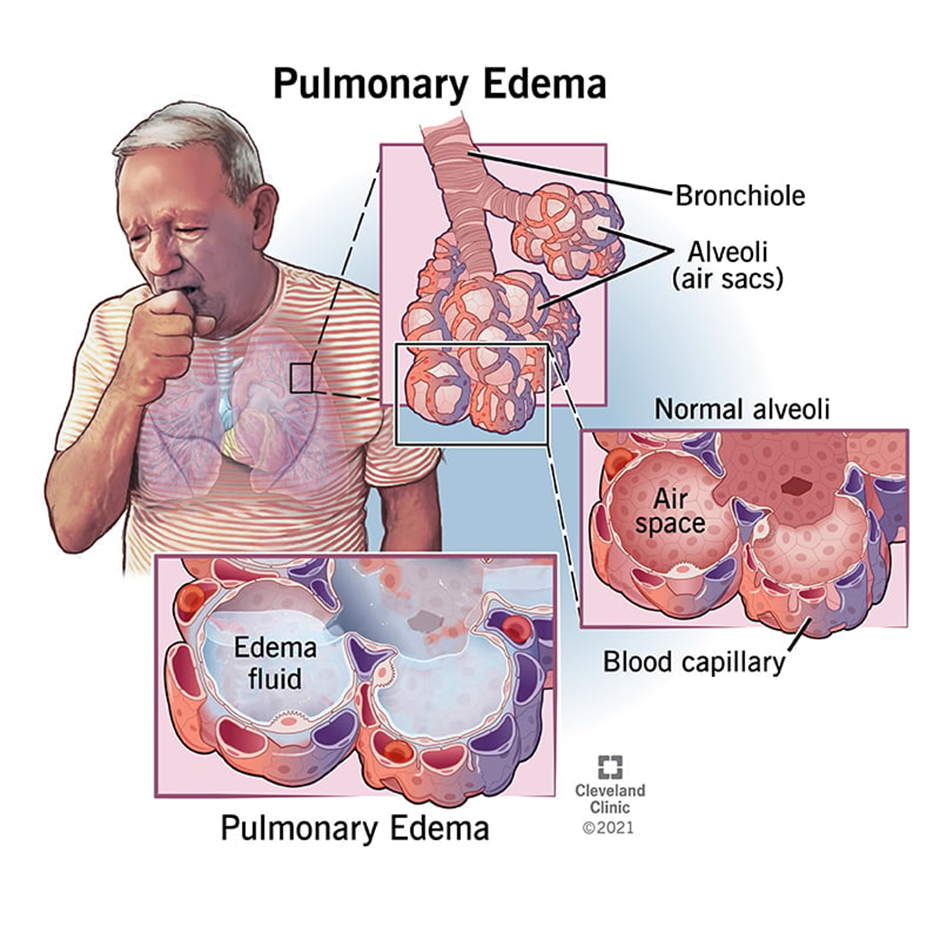
Pink, frothy sputum is correct. Normal saline is a common intravenous solution used to treat dehydration. However, in some cases, especially when administered in excessive amounts, it can lead to fluid overload or pulmonary edema. This can manifest as pink, frothy sputum, indicating potential pulmonary congestion or edema, which is a serious adverse effect of fluid overload.
Choice D Reason:
Increased bowel sounds is incorrect. Increased bowel sounds can be seen in various conditions, including gastrointestinal disturbances or hyperactive bowel motility, but it's not typically associated with the adverse effects of normal saline administration.
Correct Answer is ["A","C"]
Explanation
Choice A Reason:
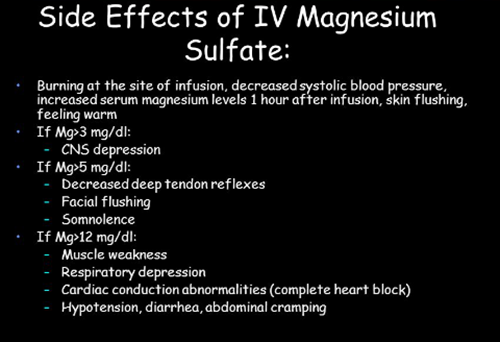
Absence of deep-tendon reflexes is correct. The absence or decrease in deep-tendon reflexes can be a sign of magnesium toxicity. Magnesium sulfate, when given in excessive amounts or in the case of accumulation due to impaired renal function, can lead to muscle weakness, hyporeflexia, and in severe cases, loss of deep-tendon reflexes. Discontinuation of magnesium sulfate and administration of calcium gluconate is warranted in severe cases of magnesium toxicity to counteract its effects.
Choice B Reason:
Report of chills is incorrect. Chills are non-specific symptoms and are not typically associated specifically with magnesium toxicity. They are less indicative of a need for calcium gluconate administration in the context of magnesium sulfate infusion.
Choice C Reason:
Decreased level of consciousness is correct. Severe magnesium toxicity can affect the central nervous system, leading to symptoms like confusion, drowsiness, and eventually decreased level of consciousness. In these cases, discontinuation of magnesium sulfate and administration of calcium gluconate is crucial to counteract the effects of excessive magnesium.
Choice D Reason:
Systolic blood pressure of 130 mm Hg is incorrect. A systolic blood pressure of 130 mm Hg, by itself, is not an indicator of magnesium toxicity that necessitates the administration of calcium gluconate. Blood pressure within this range is not typically a cause for concern related to magnesium sulfate administration.
Choice EReason:
Urine output of 80 mL in 4 hours is incorrect. While decreased urine output might indicate potential renal issues or compromised kidney function, it's not a specific indication for the administration of calcium gluconate in the context of magnesium sulfate infusion. It can signal the need for further assessment but is not a direct sign of magnesium toxicity requiring calcium gluconate administration.
Whether you are a student looking to ace your exams or a practicing nurse seeking to enhance your expertise , our nursing education contents will empower you with the confidence and competence to make a difference in the lives of patients and become a respected leader in the healthcare field.
Visit Naxlex, invest in your future and unlock endless possibilities with our unparalleled nursing education contents today