
A nurse is teaching a client who has a pelvic fracture about the manifestations of fat embolism syndrome. The nurse should include which of the following findings as an early manifestation?
Hypertension
Swollen calf
Tachypnea
Bradycardia
The Correct Answer is C
Choice A reason:
Hypertension is not typically an early manifestation of fat embolism syndrome (FES). FES is more commonly associated with hypoxemia, which can lead to hypotension rather than hypertension².
Choice B reason:
While a swollen calf may indicate deep vein thrombosis, it is not an early sign of FES. FES primarily affects the lungs and neurological systems early on, rather than causing localized swelling such as in a calf².
Choice C reason:
Tachypnea, or rapid breathing, is indeed an early sign of FES. This symptom usually develops before others and is due to the fat globules causing respiratory distress by blocking the pulmonary microcirculation²³⁴.
Choice D reason:
Bradycardia, or a slower than normal heart rate, is not an early sign of FES. Instead, patients may experience tachycardia as a response to hypoxemia and respiratory distress².
Nursing Test Bank
Naxlex Comprehensive Predictor Exams
Related Questions
Correct Answer is D
Explanation
Choice A reason: Positive Trousseau's sign
Trousseau's sign is indicative of hypocalcemia, not CTS. It is elicited by inflating a blood pressure cuff on the upper arm to above systolic pressure for 3 minutes. A positive sign is characterized by carpal spasm, which is not related to CTS.
Choice B reason: Cool extremities
Cool extremities can be a result of various conditions, including peripheral vascular disease or hypothyroidism. They are not a specific indicator of CTS, which primarily affects nerve function rather than blood circulation or temperature regulation.
Choice C reason: Decreased radial pulse
A decreased radial pulse is not typically associated with CTS. It may indicate a cardiovascular issue or a blockage in the radial artery, which would require further investigation unrelated to CTS.
Choice D reason: Positive Phalen's sign
Phalen's sign is a diagnostic test for CTS. The test is performed by having the patient flex their wrist maximally and hold the position for about 60 seconds. A positive Phalen's sign, which includes numbness and tingling in the thumb, index finger, middle finger, and the radial half of the ring finger, is indicative of CTS. This occurs due to increased pressure on the median nerve when the wrist is in flexion.
Correct Answer is A
Explanation
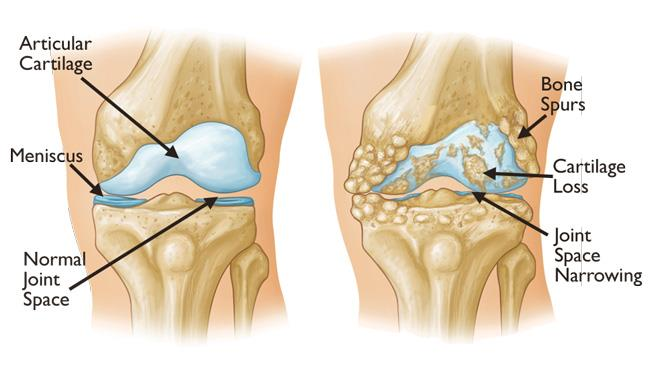
Choice A reason: Damage to cartilage and bone can progressively worsen. This is a characteristic of osteoarthritis. The disease is a degenerative joint disease that results in the loss of cartilage, which cushions the ends of bones in joints. As the disease progresses, the cartilage becomes thinner and may wear away entirely, causing the bones to rub against each other. This can result in pain, stiffness, and loss of joint movement.
Choice B reason:
Organ failure in later stages may occur without treatment. This statement is not typically associated with osteoarthritis. While osteoarthritis can significantly impact a person's quality of life, it does not directly cause organ failure. However, it's important to manage osteoarthritis effectively to maintain overall health and prevent secondary complications.
Choice C reason:
Inflammation will resolve over time. This is not typically true for osteoarthritis. While some people with osteoarthritis may experience periods of reduced symptoms, the underlying disease process does not resolve over time. In fact, osteoarthritis usually worsens over time.
Choice D reason:
There will be periods of flare-ups and remission of symptoms. This is true for many people with osteoarthritis. Symptoms can vary and may become more severe during periods of activity or stress on the joint. Conversely, symptoms may decrease during periods of rest or with effective management strategies.
Whether you are a student looking to ace your exams or a practicing nurse seeking to enhance your expertise , our nursing education contents will empower you with the confidence and competence to make a difference in the lives of patients and become a respected leader in the healthcare field.
Visit Naxlex, invest in your future and unlock endless possibilities with our unparalleled nursing education contents today