
A nurse suspects that a client who has diabetes mellitus is experiencing hypoglycemia.
Which of the following assessment findings supports this suspicion?
Cool, clammy skin.
Acetone breath.
Kussmaul respirations.
Increased urine output.
The Correct Answer is A
This statement indicates an understanding of the teaching because cool, clammy skin is a common symptom of hypoglycemia.
Choice B is incorrect because acetone breath is a symptom of hyperglycemia (high blood sugar), not hypoglycemia (low blood sugar).
Choice C is incorrect because Kussmaul respirations (deep and labored breathing) are a symptom of hyperglycemia, not hypoglycemia.
Choice D is incorrect because increased urine output is a symptom of hyperglycemia, not hypoglycemia.
Nursing Test Bank
Naxlex Comprehensive Predictor Exams
Related Questions
Correct Answer is C
Explanation
“I’m too tired to brush my teeth.” This statement indicates that the client is experiencing fatigue, which is a common symptom of heart failure.
Fatigue can significantly impact a person’s ability to perform daily activities and can be an indication that the client needs a referral for cardiac rehabilitation 1.
Choice A is not the correct answer because weighing oneself daily is a recommended self-monitoring technique for clients with heart failure.
Choice B is not the correct answer because while feeling unhappy can be a symptom of heart failure, it does not necessarily indicate a need for cardiac rehabilitation.
Choice D is not the correct answer because eating a low-sodium diet is a recommended dietary change for clients with heart failure.
Correct Answer is C
Explanation
This statement indicates an understanding of the teaching because shaking the inhaler helps to mix the medicine inside the canister.
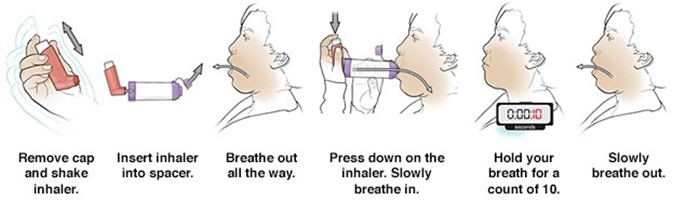
Choice A is incorrect because it is not necessary to clean the cap of the inhaler once per week.
Instead, it is important to clean the inhaler at least once a week or as directed.
Choice B is incorrect because one should inhale the medication slowly, not quickly.
Choice D is incorrect because one should wait 1 minute between puffs, not 15 seconds.
Whether you are a student looking to ace your exams or a practicing nurse seeking to enhance your expertise , our nursing education contents will empower you with the confidence and competence to make a difference in the lives of patients and become a respected leader in the healthcare field.
Visit Naxlex, invest in your future and unlock endless possibilities with our unparalleled nursing education contents today