
A patient presents at a clinic with a partial-thickness burn on the left arm. The skin appears red and swollen. The patient reports the burn is very painful. What is an additional symptom of a patient with this type of burn?
Charred skin
Blisters
Pale skin
Peeling skin
The Correct Answer is B
Partial-thickness burns are also known as second-degree burns. They involve damage to both the epidermis (the outer layer of skin) and part of the dermis (the inner layer of skin). They cause redness, swelling, pain, and blisters. Blisters are fluid-filled sacs that form as a result of damage to the skin cells and blood vessels.
They help to protect the underlying tissues from infection and further injury.
Nursing Test Bank
Naxlex Comprehensive Predictor Exams
Related Questions
Correct Answer is B
Explanation
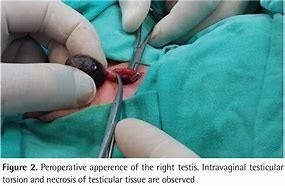
Testicular torsion is a medical emergency that occurs when the spermatic cord that supplies blood to the testicle twists and cuts off blood flow. This can cause severe pain and swelling in the affected testicle, as well as nausea, vomiting, and fever. Testicular torsion can lead to permanent damage or loss of the testicle if not treated promptly.
Correct Answer is C
Explanation
Painless hematuria is the most common symptom of bladder cancer, which is a malignant tumor that arises from the urothelial cells that line the bladder.
Hematuria is the presence of blood in the urine that can be gross or microscopic. Bladder cancer can also cause other symptoms such as dysuria, frequency, urgency, or pelvic pain.
Whether you are a student looking to ace your exams or a practicing nurse seeking to enhance your expertise , our nursing education contents will empower you with the confidence and competence to make a difference in the lives of patients and become a respected leader in the healthcare field.
Visit Naxlex, invest in your future and unlock endless possibilities with our unparalleled nursing education contents today