
A visitor reports to a nurse that she slipped and fell in a client's room. The visitor denies any injury, but is walking with a slight limp. Which of the following actions should the nurse take?
Administer acetaminophen to the client.
Complete an incident report.
Send the visitor to the risk management office.
Document the occurrence in the client's medical record.
The Correct Answer is B
The correct answer is that the nurse should complete an incident report. An incident report is a formal record of an unexpected event that occurred in a healthcare facility. It is important for the nurse to document the details of the visitor's fall, including the date, time, location and any witnesses. This information can be used to identify and address any safety hazards that may have contributed to the fall.
Options a, c and d are not appropriate actions for the nurse to take in this situation. Administering acetaminophen to the client is not relevant to the visitor's fall. Sending the visitor to the risk management office and documenting the occurrence in the client's medical record are not necessary steps in this situation.
Nursing Test Bank
Naxlex Comprehensive Predictor Exams
Related Questions
Correct Answer is A
Explanation
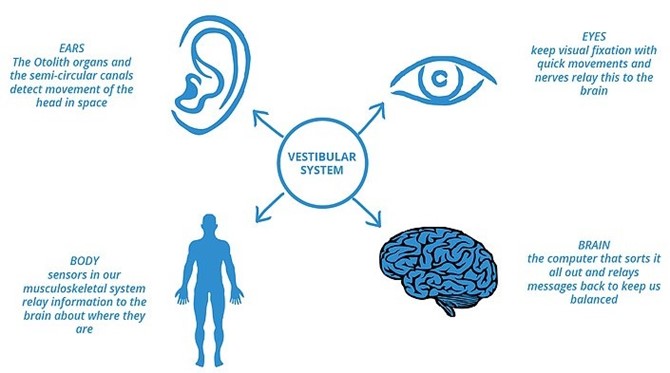
As individuals age, it is common for them to experience a decreased sense of balance. This can be attributed to age-related changes in the musculoskeletal system, sensory perception, and coordination. The inner ear, which plays a vital role in maintaining balance, undergoes natural degenerative changes over time. Additionally, age-related decline in muscle strength and flexibility can contribute to difficulties in maintaining balance. Therefore, a nurse assessing an older adult client should expect a decreased sense of balance as a common finding.
- Nighttime urinary incontinence: While nighttime urinary incontinence can occur in some older adults, it is not a universal finding. It is important to avoid making assumptions or generalizations about older adults experiencing urinary incontinence. Each individual's urinary function can vary, and incontinence can be influenced by various factors such as overall health, bladder capacity, medication use, and underlying medical conditions.
- Heightened sense of pain: Older adults may experience changes in pain perception due to age-related physiological changes and medical conditions. However, it is not a predictable or expected finding for all older adult clients. Pain perception can vary among individuals based on their overall health, chronic conditions, and individual pain thresholds. Therefore, while some older adults may experience heightened pain sensitivity, it is not a universal expectation.
- Increased nighttime sleeping: Sleep patterns can change with age, and older adults may experience alterations in their sleep-wake cycles. However, increased nighttime sleeping is not a definitive finding that applies to all older adult clients. Sleep patterns can vary greatly among individuals, and some older adults may experience decreased sleep duration or disrupted sleep rather than increased nighttime sleeping.
In summary, the nurse should expect a decreased sense of balance as a common finding when assessing an older adult client. It is important to approach each individual as unique and recognize that other findings such as nighttime urinary incontinence, heightened sense of pain, or increased nighttime sleeping may or may not be present, as they can vary among older adults based on individual factors.
Correct Answer is C
Explanation
The nurse should arrange for a video conference with an interpreter who speaks the client's language to provide discharge instructions. This ensures that the client receives accurate and complete information in a language they understand. The other
a. Assistive personnel may not be trained or qualified to provide medical interpretation.
b. Family members may not have the necessary medical knowledge to accurately translate medical information.
d. Simply indicating printed instructions in the client's language may not be sufficient to ensure the client understands the information.
Whether you are a student looking to ace your exams or a practicing nurse seeking to enhance your expertise , our nursing education contents will empower you with the confidence and competence to make a difference in the lives of patients and become a respected leader in the healthcare field.
Visit Naxlex, invest in your future and unlock endless possibilities with our unparalleled nursing education contents today