
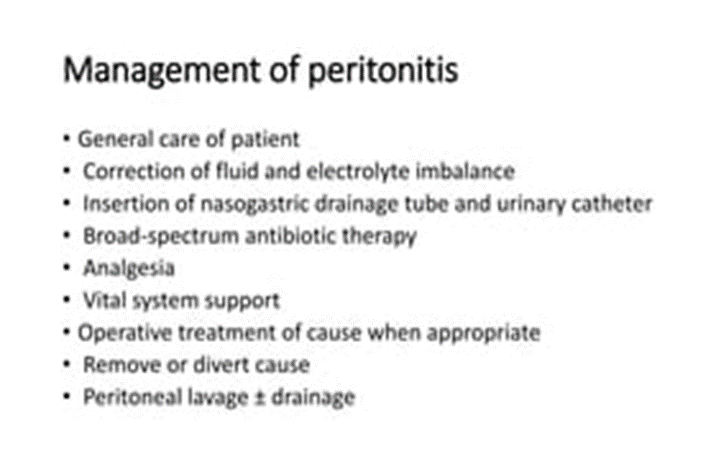
An adult client who had a gastric bypass surgery 2 weeks ago, is admitted with possible anastomosis leakage. The client's abdomen is tender to touch, and the vital signs are: temperature 101° F (38.3° C), heart rate 130 beats/minute, respiratory rate 26 breaths/minute, and blood pressure 100/50 mmHg Which intervention is most important for the nurse to include in the client's plan of care?
Encourage regular turning.
Monitor skin for breakdown
Assess wound drainage daily.
Strict IV fluid replacement.
The Correct Answer is D
A. Encourage regular turning:
While turning is important for preventing complications like pressure ulcers, in this acute situation, addressing fluid imbalance and potential sepsis take precedence.
B. Monitor skin for breakdown:
Monitoring for skin breakdown is essential but is not the most critical intervention at this moment.
C. Assess wound drainage daily:
Daily assessment of wound drainage is important for evaluating the status of the surgical site. However, in this situation of potential anastomosis leakage with signs of systemic infection and hypotension, immediate interventions to stabilize the client's condition are of higher priority.
D. Strict IV fluid replacement:
This is the correct answer. The client is displaying signs of systemic infection (fever) and possible sepsis (tachycardia, hypotension), which might be due to an anastomosis leakage following gastric bypass surgery. Ensuring adequate IV fluid replacement is crucial to address hypotension, maintain perfusion, and support hemodynamic stability in this critical situation.
Nursing Test Bank
Naxlex Comprehensive Predictor Exams
Related Questions
Correct Answer is B
Explanation
A. Carcinogens are substances that contain cancerous cells:
This statement is incorrect. Carcinogens are substances that have the potential to cause cancer, but they do not necessarily contain cancerous cells themselves.
B. Substances that change a cell so that it becomes cancerous are potential sources of cancer:
This is the correct answer. Carcinogens are agents that can induce changes in the genetic material of cells, leading to the development of cancer. They can initiate or promote the process of carcinogenesis.
C. Environmental factors such as sunlight and chemicals can cause cancer to spread:
This statement is not accurate. Carcinogens can contribute to the initiation or promotion of cancer, but the spread of cancer (metastasis) involves complex biological processes and is not directly caused by environmental factors.
D. Carcinogens are in the environment and cannot be avoided:
This statement is not accurate. While carcinogens may be present in the environment, efforts can be made to minimize exposure and adopt preventive measures. Avoidance of known carcinogens and the promotion of a healthy lifestyle can contribute to cancer prevention.
Correct Answer is D
Explanation
A. Have the client sign the surgical and transfusion permits:
While obtaining signed consent is important, the immediate concern is addressing the client's medication history, especially the use of heparin, which can contribute to bleeding.
B. Ensure that the potential for bleeding is explained to the client:
Education about the potential for bleeding is important, but the immediate action is to communicate the client's medication history to the healthcare provider for appropriate guidance.
C. Observe the heparin injection sites for signs of bruising:
Monitoring for bruising at injection sites is a consideration, but it is not the priority when the client is actively bleeding from an open fracture.
D. Notify the healthcare provider of the client's medication history:
This is the correct answer. Heparin is an anticoagulant, and its use can increase the risk of bleeding during surgery. The healthcare provider needs to be informed of the client's current medication history to make decisions regarding the timing and management of heparin therapy in the perioperative period.
Whether you are a student looking to ace your exams or a practicing nurse seeking to enhance your expertise , our nursing education contents will empower you with the confidence and competence to make a difference in the lives of patients and become a respected leader in the healthcare field.
Visit Naxlex, invest in your future and unlock endless possibilities with our unparalleled nursing education contents today