
A client is scheduled for a thoracentesis that will be done at the bedside. What should the practical nurse (PN) prepare before the healthcare provider arrives to perform the procedure?
Gather the procedure tray and equipment.
Cleanse the site and cover with a sterile towel.
Keep the patient NPO (nothing by mouth) and encourage them to void.
Place the patient in an orthopneic position.
The Correct Answer is A
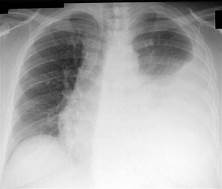
The correct answer is choice A. Gather the procedure tray and equipment.
Choice A rationale:
The practical nurse should gather the necessary procedure tray and equipment to ensure everything is ready for the healthcare provider to perform the thoracentesis efficiently and safely.
Choice B rationale:
Cleansing the site and covering it with a sterile towel is part of the procedure itself and should be done by the healthcare provider performing the thoracentesis.
Choice C rationale:
Keeping the patient NPO (nothing by mouth) and encouraging them to void is not necessary for a thoracentesis. This procedure typically does not require the patient to be NPO.
Choice D rationale:
Placing the patient in an orthopneic position (sitting up and leaning forward) is important for the procedure, but it should be done closer to the time of the procedure, not necessarily as a preparatory step.
Nursing Test Bank
Naxlex Comprehensive Predictor Exams
Related Questions
Correct Answer is C
Explanation
The correct answer is choice C: Instruct the UAP to lower the bed for safety.
Choice C rationale: When bathing a bedfast client, the bed should be in a flat or low position to reduce the risk of the client sliding down, falling, or experiencing discomfort or injury. By instructing the UAP to lower the bed, the PN ensures client safety during the bathing process.
Choice A rationale: Assuming care of the client immediately might be unnecessary. The PN should first address the safety concern and then determine if additional intervention is needed.
Choice B rationale: While supervising the UAP may be appropriate in certain situations, the priority in this case is to address the immediate safety concern by instructing the UAP to lower the bed. The PN can then decide if supervision or assistance is required.
Choice D rationale: Determining if the UAP would like assistance is considerate, but it is not the priority in this situation. Ensuring client safety by lowering the bed should be addressed first. The PN can then assess whether the UAP needs any help or guidance.
Correct Answer is C
Explanation
Choice A rationale:
Referring the client to a social worker for support therapy may be premature at this stage. The client's initial reaction may be due to fear or anxiety about the diagnosis and self-administration of insulin. Pushing the client into therapy without assessing their readiness may not be appropriate.
Choice B rationale:
Encouraging the client to implement relaxation techniques assumes that the client is open to learning and just needs help with anxiety management. However, the client's refusal to have the nurse in the room suggests that they are not currently receptive to teaching. It's important to address the client's emotional state first.
Choice C rationale:
Leaving the client's room and returning later in the day is the most appropriate initial action. The client's loud refusal indicates a need for privacy and emotional space. By respecting the client's wishes and revisiting the teaching later, the nurse can establish trust and build a better rapport.
Choice D rationale:
Explaining that insulin is a life-saving drug is informative but may not be effective in this situation, as the client has already requested the nurse to leave the room. Providing information about the importance of insulin should come after establishing a therapeutic nurse-client relationship.
Whether you are a student looking to ace your exams or a practicing nurse seeking to enhance your expertise , our nursing education contents will empower you with the confidence and competence to make a difference in the lives of patients and become a respected leader in the healthcare field.
Visit Naxlex, invest in your future and unlock endless possibilities with our unparalleled nursing education contents today