
Are these x-rays from someone who is still growing or who has stopped growing?
(please put either still growing or stopped growing)
Still growing
Stopped growing
The Correct Answer is B
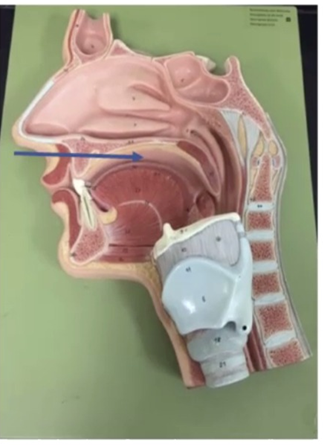
A. Simple squamous epithelium: Found in alveoli for gas exchange, not in the nasal cavity.
B. Pseudostratified ciliated columnar epithelium: This tissue lines the respiratory tract, including the nasal cavity. It appears stratified because the nuclei are at different levels, but all cells rest on the basement membrane. The cilia move mucus and trapped particles toward the pharynx, while goblet cells secrete mucus to humidify and protect the airway. This specialized tissue is essential for filtering, warming, and moistening inhaled air.
C. Transitional epithelium: Found in the urinary bladder, specialized for stretching, not respiratory passages.
D. Stratified cuboidal epithelium: Found in ducts of sweat glands and salivary glands, not in the nasal cavity.
Nursing Test Bank
Naxlex Comprehensive Predictor Exams
Related Questions
Correct Answer is B
Explanation
A. Compact Bone: This is the dense, outer layer of bone organized into subunits called osteons (visible as the tall "towers" on top of the model). The arrow points to a different, porous region.
B. Spongy (Cancellous) Bone: The arrow points to the honeycomb-like network of bone called trabeculae. This tissue is found at the ends of long bones and lining the medullary cavity, providing structural support while keeping the skeleton lightweight.
C. Hyaline Cartilage: While often found at the ends of bones, hyaline cartilage is a smooth, glass-like connective tissue, not the porous, mineralized bone tissue shown here.
D. Periosteum: This is the fibrous membrane that covers the outer surface of bones. The arrow is pointing deep into the internal structure of the bone rather than the external surface.
Correct Answer is B
Explanation
A. Elastic cartilage: Elastic cartilage is found in structures like the external ear and epiglottis, where flexibility is required. The thyroid cartilage of the larynx is not elastic cartilage.
B. Hyaline cartilage: The thyroid cartilage is composed of hyaline cartilage, which provides firm support and maintains the open airway. Hyaline cartilage is the most common type of cartilage in the body and is found in the laryngeal framework, trachea, and costal cartilages.
C. Fibrocartilage: Fibrocartilage is found in intervertebral discs, pubic symphysis, and menisci. It is specialized for resisting compression and tension, not for forming the laryngeal cartilages.
D. Skeletal muscle: Skeletal muscle surrounds the larynx and pharynx to aid in swallowing and phonation, but the arrow is pointing to the thyroid cartilage, which is connective tissue, not muscle.
Whether you are a student looking to ace your exams or a practicing nurse seeking to enhance your expertise , our nursing education contents will empower you with the confidence and competence to make a difference in the lives of patients and become a respected leader in the healthcare field.
Visit Naxlex, invest in your future and unlock endless possibilities with our unparalleled nursing education contents today