
If a child has one parent with Marfan syndrome, what is the likelihood that the child will have Marfan syndrome?
10% chance
25% chance
50% chance
100% chance
The Correct Answer is C
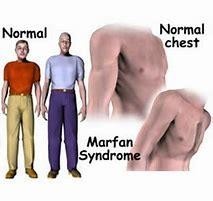
Marfan syndrome is a genetic disorder that affects the connective tissue, causing problems with the heart, blood vessels, eyes, bones, and joints. It is caused by a mutation in the FBN1 gene, which encodes for a protein called fibrillin-1. Marfan syndrome follows an autosomal dominant pattern of inheritance, which means that only one copy of the mutated gene is needed to cause the disorder. A person with Marfan syndrome has a 50% chance of passing on the mutated gene to each child, regardless of the gender of the parent or the child.
Nursing Test Bank
Naxlex Comprehensive Predictor Exams
Related Questions
Correct Answer is C
Explanation
Diabetes insipidus is a disorder that causes the kidneys to produce large amounts of dilute urine, resulting in dehydration and thirst. Diabetes insipidus is not related to diabetes mellitus, which affects blood glucose levels. Therefore, diabetes insipidus does not affect serum glucose levels, which are expected to be normal.
However, diabetes insipidus can affect serum sodium levels, which are a measure of the concentration of salt in the blood. Due to the loss of water from the body, serum sodium levels can become high (hypernatremia) in diabetes insipidus. However, if the patient drinks enough fluids to compensate for the urine output, serum sodium levels can remain normal.
Correct Answer is ["A","B","C"]
Explanation
a. Air bubble in the artery or vein- thromboembolism (air embolism, occurs when air
enters the bloodstream and blocks blood flow to vital organs. It can be caused by
trauma, surgery, injection, or diving)
b. Bulging sac of blood in an artery- aneurysm (it occurs when a weak spot in an artery
wall balloons out and fills with blood. It can be caused by high blood pressure,
atherosclerosis, infection, or genetic factors)
c. Clot of blood in an artery- thrombus (arterial thrombosis, which occurs when a blood
clot forms in an artery and blocks blood flow to tissues or organs. It can be caused by
atherosclerosis, injury, inflammation, or hypercoagulable states)
Whether you are a student looking to ace your exams or a practicing nurse seeking to enhance your expertise , our nursing education contents will empower you with the confidence and competence to make a difference in the lives of patients and become a respected leader in the healthcare field.
Visit Naxlex, invest in your future and unlock endless possibilities with our unparalleled nursing education contents today