
Mary is a one-month-old infant.
When reviewing Mary's chart, the nurse confirms that at birth, Mary received what vaccine?
MMR.
Varicella.
DTAP.
Hep
The Correct Answer is D
B. This is the vaccine for hepatitis B, a viral infection that can cause liver damage and cancer.
The CDC recommends that all newborns receive the first dose of this vaccine within 24 hours of birth, followed by two more doses at 1 to 2 months and 6 to 18 months of age.
Choice A.
MMR is incorrect, as this is the vaccine for measles, mumps, and rubella, which is not given at birth but at 12 to 15 months and 4 to 6 years of age.
Choice B.
Varicella is incorrect, as this is the vaccine for chickenpox, which is also not given at birth but at 12 to 15 months and 4 to 6 years of age.
Choice C.
DTaP is incorrect, as this is the vaccine for diphtheria, tetanus, and pertussis (whooping cough), which is not given at birth but at 2, 4, 6, and 15 to 18 months and 4 to 6 years of age.
Therefore, choice D is the best answer to this question.
Nursing Test Bank
Naxlex Comprehensive Predictor Exams
Related Questions
Correct Answer is C
Explanation
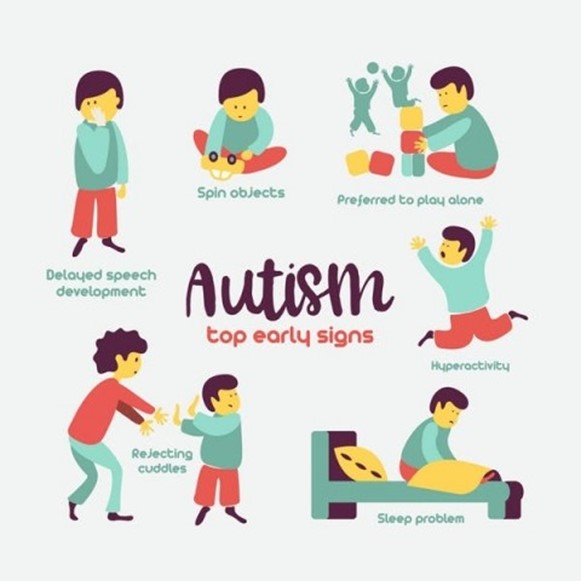
A child with autism spectrum disorder may have problems with social communication and interaction, including ignoring a caregiver who offers them a snack.
Choice A is incorrect because crying and stomping feet after another child takes a toy is normal behavior for a 2- or 3-year-old child.
Choice B is incorrect because repeating an action over and over is not necessarily indicative of autism spectrum disorder.
Choice D is incorrect because flipping a light switch off and on until asked to stop and join other children in playing is not necessarily indicative of autism spectrum disorder.
Correct Answer is C
Explanation
By 3 months old, most babies can lift their heads and chest up from a belly-down position.
Choice A is not correct because it is normal for a 3-month-old infant to be unable to roll from back to abdomen.
Choice B is not correct because it is normal for a 3-month-old infant to be unable to use a pincer grasp to pick up objects.
Choice D is not correct because it is normal for a 3-month-old infant to be unable to sit without support.
Whether you are a student looking to ace your exams or a practicing nurse seeking to enhance your expertise , our nursing education contents will empower you with the confidence and competence to make a difference in the lives of patients and become a respected leader in the healthcare field.
Visit Naxlex, invest in your future and unlock endless possibilities with our unparalleled nursing education contents today