
The nurse is doing neurovascular checks on a child who has had a cast applied to treat a fracture.
The nurse observes for diminished or absent sensation and numbness or tingling. In doing this, the nurse is monitoring which symptom?
Pain.
Paralysis.
Paresthesia.
Pallor.
The Correct Answer is C
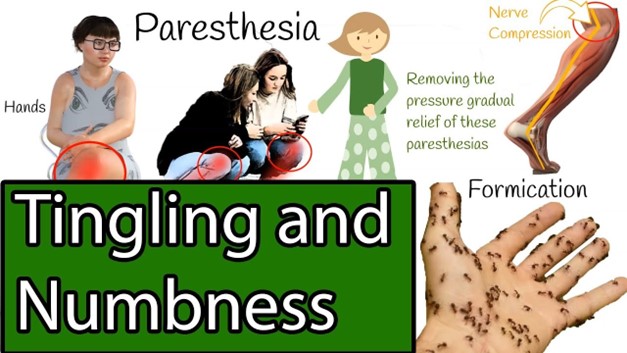
Paresthesia refers to an abnormal sensation of the skin, such as numbness, tingling, or burning.
When the nurse observes for diminished or absent sensation and numbness or tingling, they are monitoring for paresthesia.
Choice A is not correct because pain is not the symptom being monitored in this case.
Choice B is not correct because paralysis is not the symptom being monitored in this case.
Choice D is not correct because pallor refers to the paleness of the skin and is not the symptom being monitored in this case.
Nursing Test Bank
Naxlex Comprehensive Predictor Exams
Related Questions
Correct Answer is C
Explanation
The nurse should check for blood under the client’s buttocks.
A small amount of lochia rubra on the client’s perineal pad 4 hours postpartum is normal.
The fundus being midline and firm at the umbilicus is also a normal finding.
Choice A is incorrect because assisting the client to ambulate is not necessary at this time.
Choice B is incorrect because there is no need to increase the rate of IV fluids.
Choice D is incorrect because performing a fundal massage is not necessary since the fundus is already firm and midline.
Correct Answer is D
Explanation
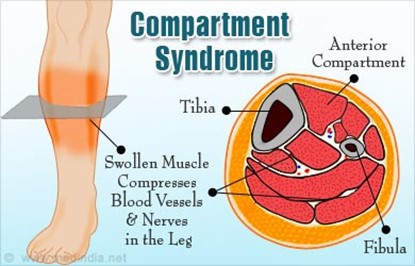
Compartment syndrome is a condition where increased pressure within a muscle compartment causes muscle and nerve damage along with pain.
One of the symptoms of compartment syndrome is severe pain that increases with the stretching of muscles.
Choice A is not correct because blue-looking nail beds on the toes are not a symptom of compartment syndrome.
Choice B is not correct because a weak femoral pulse is not a symptom of compartment syndrome.
Choice C is not correct because the inability to plantarflex the foot is not a symptom of compartment syndrome.
Whether you are a student looking to ace your exams or a practicing nurse seeking to enhance your expertise , our nursing education contents will empower you with the confidence and competence to make a difference in the lives of patients and become a respected leader in the healthcare field.
Visit Naxlex, invest in your future and unlock endless possibilities with our unparalleled nursing education contents today