
A nurse is caring for a client who is in labor and has an external fetal monitor. The nurse observes late decelerations on the monitor strip and interprets them as indicating which of the following?
Umbilical cord compression
Uteroplacental insufficiency
Fetal head compression
Material bradycardia
The Correct Answer is B
The correct answer is B. Uteroplacental insufficiency.
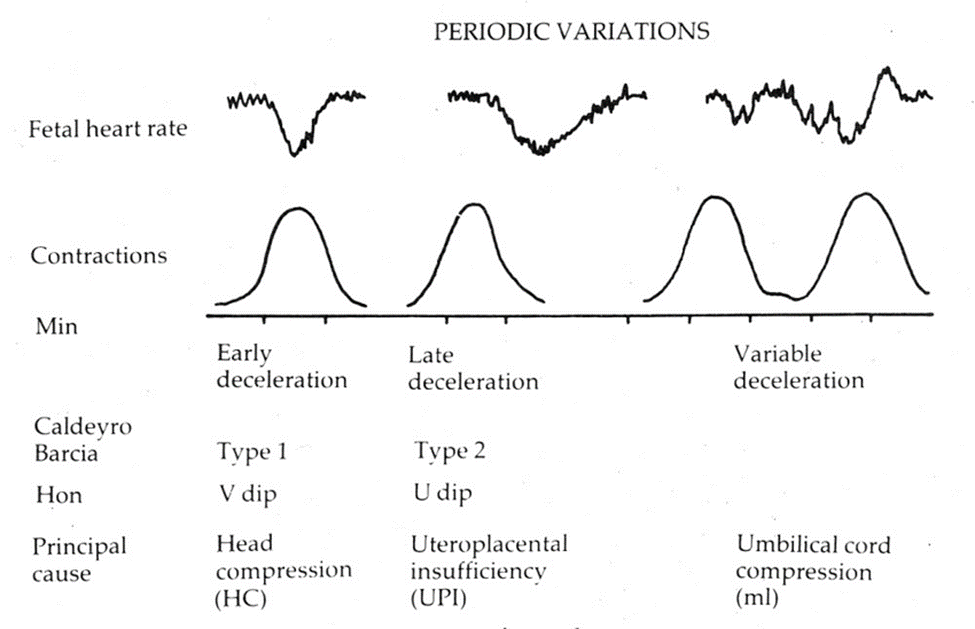
A. Umbilical cord compression is more commonly associated with variable decelerations, not late decelerations. Variable decelerations are characterized by abrupt decreases and increases in the fetal heart rate.
B. Late decelerations are indicative of uteroplacental insufficiency.
Uteroplacental insufficiency refers to a decrease in blood flow and oxygen supply from the mother to the fetus. Late decelerations occur after the peak of the contraction and may suggest inadequate oxygenation to the fetus.
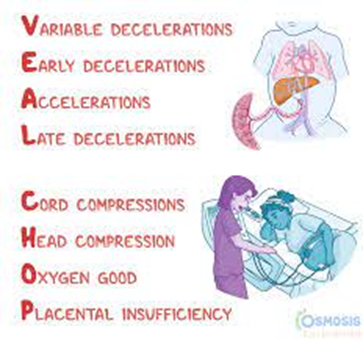
C. Fetal head compression is associated with early decelerations, not late decelerations. Early decelerations typically coincide with the contractions and are considered a normal response to head compression during contractions.
D. Maternal bradycardia is not typically associated with late decelerations. Late decelerations are primarily related to issues with oxygenation and blood flow to the fetus.
Nursing Test Bank
Naxlex Comprehensive Predictor Exams
Related Questions
Correct Answer is A
Explanation
The correct answer is A. Variable decelerations are due to umbilical cord compression.
A. Variable decelerations are often associated with umbilical cord compression. This compression can occur when the umbilical cord is briefly compressed or squeezed, leading to transient decreases in fetal heart rate.
B. Variable decelerations are not typically a result of the administration of IV narcotic analgesics. They are more commonly associated with cord compression or other factors affecting fetal oxygenation.
C. Variable decelerations are not generally caused by uteroplacental insufficiency. Uteroplacental insufficiency is more commonly associated with late decelerations.
D. Variable decelerations are not primarily related to fetal head compression. While head compression can cause certain types of decelerations, variable decelerations are specifically associated with umbilical cord compression.
Correct Answer is D
Explanation
The correct answer is D. Prolonged labor
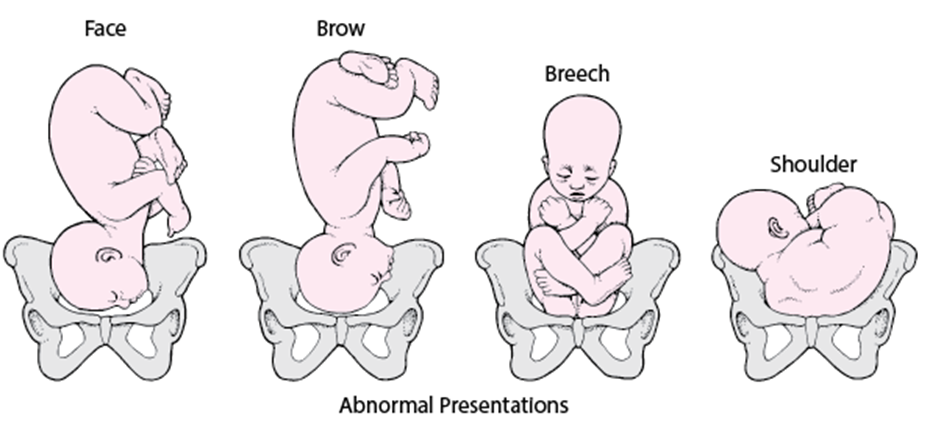
A. Umbilical cord prolapse is more commonly associated with breech presentations or other abnormal fetal positions. It is not a typical complication of occipital brow presentation.
B. Precipitous labor refers to an unusually rapid labor, and it is not a typical complication associated with occipital brow presentation. Prolonged labor is more likely.
C. Hypertonic uterine dysfunction involves excessive uterine contractions, and it is not specifically associated with occipital brow presentation. It is more commonly associated with other factors, such as maternal anxiety or use of oxytocin.
D. Prolonged labor is a complication that can be associated with occipital brow presentation.
Occipital brow presentation involves the fetal head being partially extended, and it can lead to difficulties in descending through the birth canal. This may result in a prolonged labor process.
Whether you are a student looking to ace your exams or a practicing nurse seeking to enhance your expertise , our nursing education contents will empower you with the confidence and competence to make a difference in the lives of patients and become a respected leader in the healthcare field.
Visit Naxlex, invest in your future and unlock endless possibilities with our unparalleled nursing education contents today