
An adult with arthritis has been receiving treatment with naproxen and now reports ongoing stomach pain, increasing weakness, and fatigue. Which laboratory test should the nurse monitor?
Creatinine
Serum calcium
Erythrocyte sedimentation rate
Hemoglobin
The Correct Answer is D
Choice A reason: Creatinine is not a relevant laboratory test for the nurse to monitor, as this reflects renal function and is not affected by naproxen or arthritis. This is a distractor choice.
Choice B reason: Serum calcium is not a pertinent laboratory test for the nurse to monitor, as this indicates bone metabolism and is not related to naproxen or arthritis. This is another distractor choice.
Choice C reason: Erythrocyte sedimentation rate is not an important laboratory test for the nurse to monitor, as this measures inflammation and is not influenced by naproxen or stomach pain. This is another distractor choice.
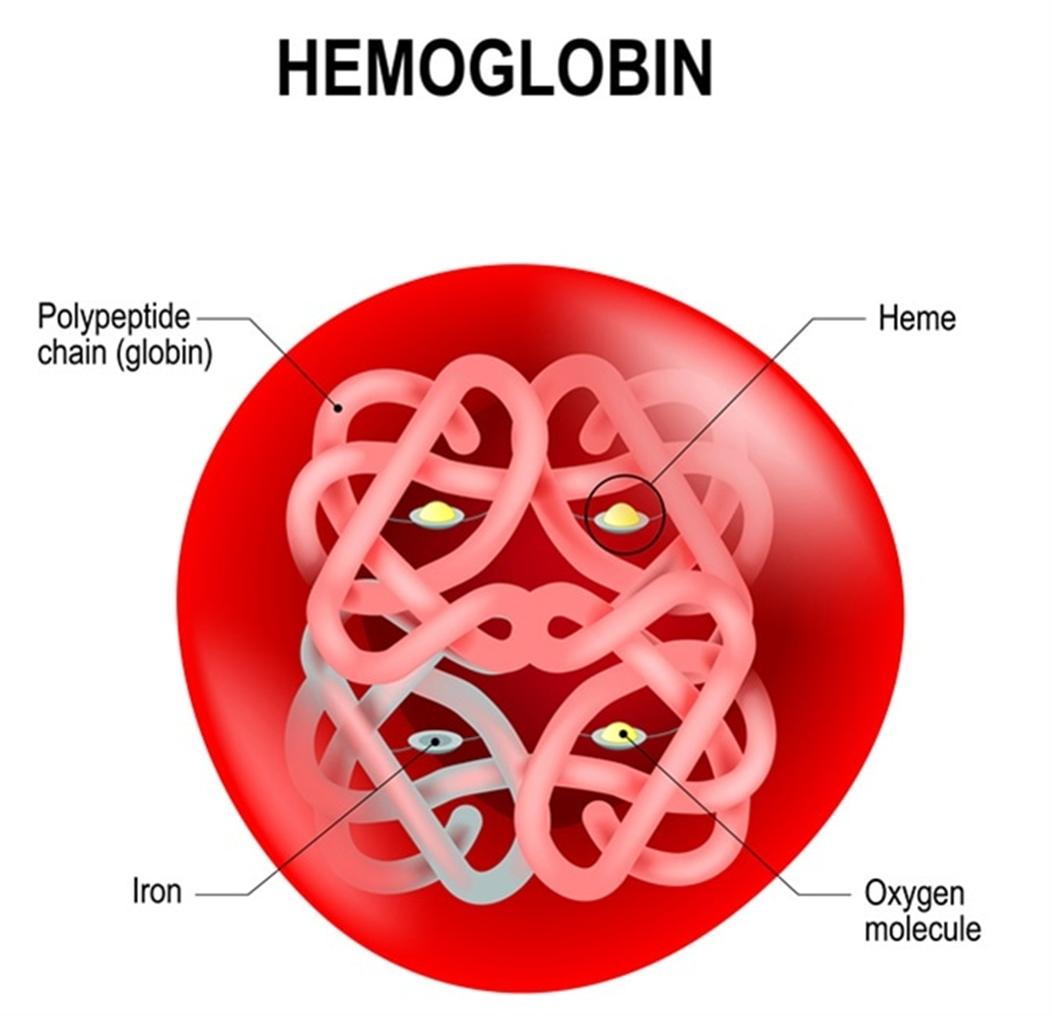
Choice D reason: Hemoglobin is an essential laboratory test for the nurse to monitor, as this shows blood oxygen-carrying capacity and can be reduced by naproxen-induced gastrointestinal bleeding, which can cause stomach pain, weakness, and fatigue. Therefore, this is the correct choice.
Nursing Test Bank
Naxlex Comprehensive Predictor Exams
Related Questions
Correct Answer is D
Explanation
Choice A reason: Encourage rest until the analgesic becomes effective. This is not the best intervention, as it does not address the client's preference or comfort level. The analgesic may take some time to relieve the pain, and forcing the client to lie down may increase the pressure on the pancreas and worsen the pain.
Choice B reason: Raise head of bed until at a 90 degree angle. This is not the best intervention, as it does not address the client's preference or comfort level. Raising the head of bed may help reduce abdominal distension and improve breathing, but it may not relieve the pain as much as leaning forward.
Choice C reason: Place bed in a reverse Trendelenburg position. This is not the best intervention, as it does not address the client's preference or comfort level. Placing the bed in a reverse Trendelenburg position may help shift the abdominal organs away from the pancreas and reduce inflammation, but it may not relieve the pain as much as leaning forward.
Choice D reason: Position bedside table so the client can lean across it. This is the best intervention, as it addresses the client's preference and comfort level. Leaning forward may help decrease the tension on the pancreas and relieve the pain. The bedside table can provide support and stability for the client while sitting up.
Correct Answer is A
Explanation
Choice A reason: Moderate amount of foul-smelling lochia. This is the most indicative finding of a postpartum infection, as it suggests that the client has endometritis, which is an inflammation of the uterine lining. Endometritis is a common cause of maternal morbidity and mortality, and requires prompt antibiotic treatment.
Choice B reason: Blood pressure of 122/74 mm Hg. This is a normal blood pressure for a postpartum client, and does not indicate an infection. The reference range for blood pressure is 90/60 to 140/90 mm Hg.
Choice C reason: Oral temperature of 100.2°F (37.9°C). This is a slightly elevated temperature for a postpartum client, but it does not necessarily indicate an infection. The reference range for oral temperature is 97.6 to 99.6°F (36.4 to 37.6°C). A mild fever may occur in the first 24 hours after delivery due to dehydration or hormonal changes.
Choice D reason: White blood cell count of 19,000/mm³ (19 x 10⁹/L). This is a high white blood cell count for a postpartum client, but it does not indicate an infection. The reference range for white blood cell count is 5,000 to 10,000/mm³ (5 to 10 x 10⁹/L). A leukocytosis may occur in the first few days after delivery due to stress or tissue injury.
Whether you are a student looking to ace your exams or a practicing nurse seeking to enhance your expertise , our nursing education contents will empower you with the confidence and competence to make a difference in the lives of patients and become a respected leader in the healthcare field.
Visit Naxlex, invest in your future and unlock endless possibilities with our unparalleled nursing education contents today