
One of the major disadvantages of benzodiazepines prescribed for anxiety is that these medications:
Take 4 to 6 weeks before the onset of action occurs
Often causes serious side effects
Are new to the market with little research
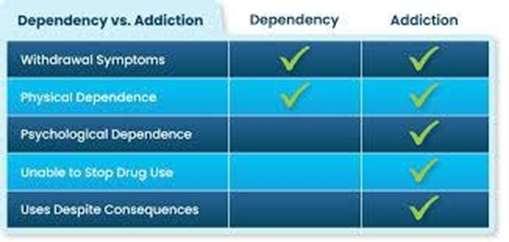
Cause dependency with long-term use
The Correct Answer is D
Choice A rationale: Benzodiazepines typically have a relatively rapid onset of action, usually within a few minutes to hours after taking the drug hence making them effective for the management of anxiety and panic attacks.
Choice B rationale: While benzodiazepines may have side effects, serious side effects are not a major disadvantage when compared to the risk of dependency.
Choice C rationale: Benzodiazepines are a well-researched class of medications and are not considered "new to the market since they have been in use since the 1960s.
Choice D rationale: Benzodiazepines have the potential for dependency and tolerance with long-term use. They are generally recommended for short-term use due to the risk of developing a physical and psychological dependence hence the drug should only be used under the guidance of a qualified healthcare professional.
Nursing Test Bank
Naxlex Comprehensive Predictor Exams
Related Questions
Correct Answer is ["A","B","C"]
Explanation
Choice A rationale: this response is dismissive of the patient’s feelings and concerns and does not acknowledge the patient’s reality and perspective. It implies that the patient is overreacting and may make the client feel judged and ignored.
Choice B rationale: this response is intrusive and prescriptive since the patient’s reasons and preferences are not considered. it assumes that the patient has a husband and that they have a good relationship together which may not be the case.
Choice C rationale: this response is accusatory and confrontational while implying that the patient’s behavior was wrong and unacceptable. Furthermore, it focuses on the past rather than the present or the future which is relevant in this case. It also makes the patient feel guilty and ashamed which may impair their ability to open up hence ineffective care.
Choice D rationale: This response is empathic and validating. It reflects the patient's feelings and shows understanding and compassion. It does not judge or minimize the patient's emotions, and it invites the patient to share more if they wish. This response could make the patient feel heard, supported, and respected.
Choice E rationale: this response encourages the patient to open up and express their thoughts and feelings. This makes the patient feel valued and empowered thus allowing them to share their feelings at their own pace.
Correct Answer is A
Explanation
Choice A rationale: Clozapine is an antipsychotic medication associated with agranulocytosis which is a condition where the bone marrow does not provide enough white blood cells. This increases an individual’s risk of infections. Therefore, frequent blood tests should be performed on an individual taking this medication to monitor the WBC count and stop the medication if need be.
Choice B rationale: clozapine is not associated with a low hemoglobin level. Anemia may be caused by conditions such as iron deficiency, chronic conditions such as chronic kidney disease, and vitamin B12 deficiency.
Choice C rationale: An increase in white blood cell count is not a side effect of clozapine but can be caused by infections. Clozapine causes low white blood cell count.
Choice D rationale: blood in urine is not a side effect of clozapine but can be caused by the use of medications such as cyclophosphamide.
Whether you are a student looking to ace your exams or a practicing nurse seeking to enhance your expertise , our nursing education contents will empower you with the confidence and competence to make a difference in the lives of patients and become a respected leader in the healthcare field.
Visit Naxlex, invest in your future and unlock endless possibilities with our unparalleled nursing education contents today