
Order: Hydroxyzine 25 mg PO STAT
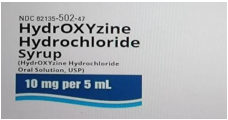
Available: Refer to the med label below
How many milliliters will you administer? (Insert the numerical value only)
The Correct Answer is ["12.5"]
Desired dose = 25 mg
Available concentration = 10 mg per 5 mL
- Calculate the concentration in mg/mL:
Concentration (mg/mL) = Available dose / Available volume
= 10 mg / 5 mL
= 2 mg/mL
Volume to administer = Desired dose / Available concentration
= 25 mg / 2 mg/mL
= 12.5 mL
Nursing Test Bank
Naxlex Comprehensive Predictor Exams
Related Questions
Correct Answer is D
Explanation
A. "Limit your fluid intake to meal times.": Fluid restriction is not a standard recommendation for patients taking Verapamil unless they have another condition like heart failure. Adequate hydration is important, especially to counter constipation, a known side effect of the drug.
B. "You can expect swelling of the ankles while taking this medication.": While peripheral edema is a known side effect of Verapamil, it is not something patients should expect or accept without reporting. Significant swelling may require dose adjustment or switching medications.
C. "This medication will not affect your heart rate": Verapamil is a calcium channel blocker that slows AV node conduction and reduces heart rate. It is used for conditions like hypertension, angina, and arrhythmias, and can cause bradycardia, especially in high doses.
D. "Increase your daily intake of dietary fiber.": Verapamil frequently causes constipation by decreasing gastrointestinal motility. Increasing dietary fiber, fluid intake, and physical activity are recommended to minimize this side effect and promote regular bowel movements.
Correct Answer is B
Explanation
A. Second-generation antihistamines have shorter half-lives and require more frequent dosing compared to first-generation antihistamines: Second-generation antihistamines typically have longer half-lives, allowing once-daily dosing. They are designed for sustained action with improved compliance and fewer side effects.
B. First-generation antihistamines block both histamine and muscarinic receptors, while second-generation antihistamines primarily block histamine receptors: First-generation agents, such as diphenhydramine, cross the blood-brain barrier and exert anticholinergic effects by blocking muscarinic receptors. Second-generation antihistamines are more selective for peripheral H1 receptors, resulting in fewer CNS and anticholinergic side effects.
C. First-generation antihistamines are less likely to cause sedation compared to second-generation antihistamines: First-generation antihistamines are more likely to cause sedation because they easily penetrate the blood-brain barrier and affect central H1 receptors, unlike second-generation agents.
D. Second-generation antihistamines cross the blood-brain barrier, causing significant central nervous system effects: These medications are designed not to cross the blood-brain barrier significantly, which is why they are much less sedating and have minimal CNS effects compared to first-generation antihistamines.
Whether you are a student looking to ace your exams or a practicing nurse seeking to enhance your expertise , our nursing education contents will empower you with the confidence and competence to make a difference in the lives of patients and become a respected leader in the healthcare field.
Visit Naxlex, invest in your future and unlock endless possibilities with our unparalleled nursing education contents today