
Sara, a 27-year-old woman with no significant past medical history, presents with confusion and a brief loss of consciousness following a minor car accident. What is the most definitive indication that Sara has suffered a concussion?
She experiences headaches that last for several weeks after the incident.
Sara remembers every detail of the accident.
A CT scan shows no cerebral edema.
Sara's Glasgow Coma Scale score is 15.
The Correct Answer is C
A. Headaches are a common symptom of concussion but are not the most definitive indication since it can occur due to other causes.
B. Sara remembering every detail of the accident does not exclude the possibility of a concussion, as some people may have intact memory despite having a brain injury.
C. This indicates that there is no swelling or bleeding in the brain, which is a hallmark of concussion.
D. While a GCS score of 15 suggests normal neurological function, it is not as definitive as a CT scan in ruling out cerebral edema or other brain injuries.
Nursing Test Bank
Naxlex Comprehensive Predictor Exams
Related Questions
Correct Answer is A
Explanation
A. B lymphocytes, also known as B cells, are responsible for generating sensitized lymphocytes (memory cells) and antibodies (immunoglobulins).
B. Suppressor T cells (T regulatory cells) are involved in modulating the immune response, but they do not generate sensitized lymphocytes or antibodies.
C. T cells play various roles in the immune response, including cell-mediated immunity, but they are not primarily responsible for generating antibodies.
D. Hematopoietic stem cells are multipotent stem cells that give rise to all blood cells, including B and T lymphocytes, but they do not directly generate sensitized lymphocytes or antibodies.
Correct Answer is B
Explanation
A. A urine output of 300 ml/hr and low specific gravity are not indicative of normal renal function.
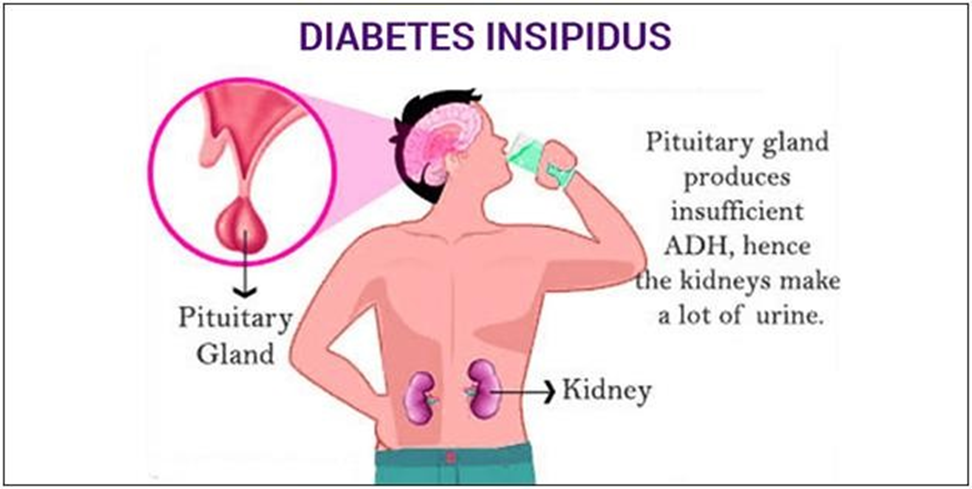
B. Diabetes insipidus is characterized by excessive urine output (polyuria) with low urine specific gravity.
C. Acute kidney injury would typically present with oliguria (decreased urine output) or anuria (absence of urine output).
D. Urinary tract infection would typically present with other signs such as dysuria, urgency, and possibly fever, but not necessarily altered urine output and specific gravity.
Whether you are a student looking to ace your exams or a practicing nurse seeking to enhance your expertise , our nursing education contents will empower you with the confidence and competence to make a difference in the lives of patients and become a respected leader in the healthcare field.
Visit Naxlex, invest in your future and unlock endless possibilities with our unparalleled nursing education contents today