
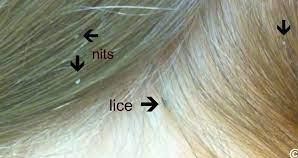
Mike, a 17-year-old wrestler, comes in for a routine check-up. The nurse observes wheal- like lesions with white deposits at the base of the hair shaft. What should the nurse teach Mike?
Use an over-the-counter anti-dandruff shampoo.
Don't share headgear to prevent the spread of pediculosis.
Inform your coach about the condition.
Shaving your head will eliminate the problem.
The Correct Answer is B
A. Anti-dandruff shampoo is ineffective against head lice or nits.
B. The best way to prevent the spread of pediculosis is to avoid sharing personal items that come in contact with the hair, such as headgear, combs, brushes, hats, scarves.
C. While it's important to inform others about the presence of pediculosis, preventing its spread through sharing of personal items like headgear is more immediate.
D. Shaving the head may temporarily remove the nits, but it may also damage the skin and expose it to more infections.
 |
Nursing Test Bank
Naxlex Comprehensive Predictor Exams
Related Questions
Correct Answer is D
Explanation
A. Rheumatoid arthritis typically presents with joint pain and inflammation but is not commonly associated with recurring skin rashes.
B. Celiac disease primarily affects the gastrointestinal tract and is characterized by an immune reaction to gluten ingestion. It does not typically present with joint pain or recurring skin rashes.
C. Multiple sclerosis is a neurological disorder characterized by demyelination of the central nervous system, leading to various neurological symptoms. It is not commonly associated with recurring skin rashes or joint pain.
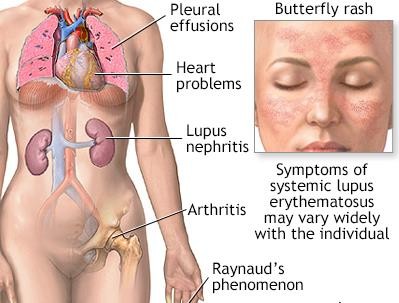
D. Lupus is an autoimmune disorder that can affect multiple organs and systems, including the skin and joints. Recurring skin rashes and joint pain are common manifestations of lupus, and ELISA testing may be used to detect specific antibodies associated with the condition.
 |
Correct Answer is B
Explanation
A. Lithotomy position requires the patient to lie on his back with his legs raised and spread apart, which may be difficult for a nonambulatory patient and may cause pressure on his lower back and pelvis.
B. This position allows for easy access to the rectum and prostate without causing discomfort or strain to the patient or examiner. The patient lies on his left side with his right leg flexed at the hip and knee and his left leg slightly flexed at the hip and straight at the knee.
C. Bent forward with hips flexed requires the patient to stand up and lean over a table or chair, which may also be challenging for a nonambulatory patient and may cause dizziness or loss of balance.
D. Standing position requires the patient to stand up straight with his feet apart, which may not provide adequate exposure or comfort for the examination.
Whether you are a student looking to ace your exams or a practicing nurse seeking to enhance your expertise , our nursing education contents will empower you with the confidence and competence to make a difference in the lives of patients and become a respected leader in the healthcare field.
Visit Naxlex, invest in your future and unlock endless possibilities with our unparalleled nursing education contents today