
The basic goals of a therapeutic environment include all of the following except:
Transition clients out of the facility as quickly as possible
Protect the client and others during periods of maladaptive behavior.
Help individuals develop self-worth and confidence.
Teach more effective adaptive skills.
The Correct Answer is A
Choice A rationale: transitioning clients out of the facility as quickly as possible is not a goal of a therapeutic environment but instead the therapeutic environment focuses on providing maximum support and an appropriate level of care to clients until they are ready to transition to a less restrictive setup.
Choice B rationale: this is essential for client safety and the safety of individuals surrounding them while promoting effective crisis management.
Choice C rationale: this is appropriate since it enhances the client’s self-worth and confidence which is crucial in boosting their self-esteem and motivation.
Choice D rationale: this is correct since effective adaptive skills enable clients to cope with their challenges and improve their functioning.
Nursing Test Bank
Naxlex Comprehensive Predictor Exams
Related Questions
Correct Answer is D
Explanation
Choice A rationale: Benzodiazepines typically have a relatively rapid onset of action, usually within a few minutes to hours after taking the drug hence making them effective for the management of anxiety and panic attacks.
Choice B rationale: While benzodiazepines may have side effects, serious side effects are not a major disadvantage when compared to the risk of dependency.
Choice C rationale: Benzodiazepines are a well-researched class of medications and are not considered "new to the market since they have been in use since the 1960s.
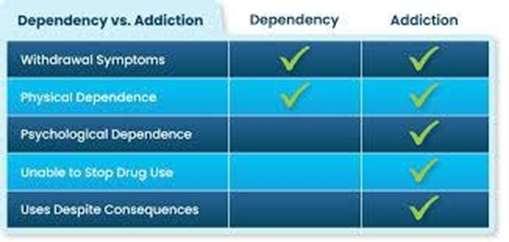
Choice D rationale: Benzodiazepines have the potential for dependency and tolerance with long-term use. They are generally recommended for short-term use due to the risk of developing a physical and psychological dependence hence the drug should only be used under the guidance of a qualified healthcare professional.
Correct Answer is B
Explanation
Choice A rationale: the nurse is not the primary focus of a therapeutic relationship and does not focus on their personal or professional needs. However, they should always maintain appropriate boundaries and avoid becoming too emotionally involved or attached to the client.
Choice B rationale: the client is the primary focus of a therapeutic relationship hence the care provided should meet the client’s needs, well-being, and expectations.
Choice C rationale: a therapeutic relationship is not focused on establishing a friendship but on developing a working alliance between the nurse and the client.
Choice D rationale: The plan of care is an important tool for guiding the therapeutic relationship, but it is not the focus of the relationship.
Whether you are a student looking to ace your exams or a practicing nurse seeking to enhance your expertise , our nursing education contents will empower you with the confidence and competence to make a difference in the lives of patients and become a respected leader in the healthcare field.
Visit Naxlex, invest in your future and unlock endless possibilities with our unparalleled nursing education contents today