
Which medication side effect is irreversible if not caught early:
Akathisia
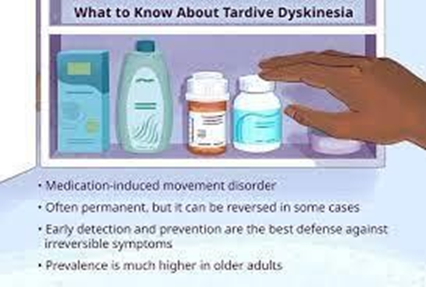
Tardive Dyskinesia
Dystonia
Akinesia
The Correct Answer is B
Choice A rationale: Akathisia refers to restlessness and agitation and is a common side effect of antipsychotic medications. This condition can be reversed by reducing the dose of antipsychotic medication taken by the client.
Choice B rationale: Tardive dyskinesia refers to the involuntary movement of body parts such as the limbs, face, jaw, and tongue and is a common side effect of long-term use of first-generation antipsychotic medications which work by blocking dopamine receptors. This condition is irreversible, especially when not detected early.
Choice C rationale: Dystonia which refers to muscle spasms affecting the jaw, eyes, and limbs can be reversed by the use of anticholinergic medications or botulin toxin.
Choice D: Akinesia refers to the absence of movement and can be managed by adjusting the dosage of the antipsychotic medications being taken by the patient.
Nursing Test Bank
Naxlex Comprehensive Predictor Exams
Related Questions
Correct Answer is ["3"]
Explanation
3 tablets
To calculate the number of tablets needed, divide the total prescribed dose by the strength of each tablet. In this case, 30mg / 10mg per tablet = 3 tablets.
Correct Answer is C
Explanation
Choice A rationale: Crestor (Rosuvastatin) is a statin used for lowering cholesterol levels, not for treating depression.
Choice B rationale: Seroquel (Quetiapine) is an atypical antipsychotic used for various mental health conditions such as schizophrenia, bipolar disorder, and major depressive disorder. However, it is not a first-line treatment for depression.
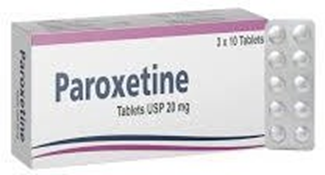
Choice C rationale: Paxil (Paroxetine) is an antidepressant commonly used in the treatment of depression and other mood disorders. It belongs to the selective serotonin reuptake inhibitor (SSRI) class of medications.
Choice D rationale: Latuda (Lurasidone) is an atypical antipsychotic used in certain psychiatric conditions such as schizophrenia and bipolar depression but is not typically a first-line treatment for depression.
Whether you are a student looking to ace your exams or a practicing nurse seeking to enhance your expertise , our nursing education contents will empower you with the confidence and competence to make a difference in the lives of patients and become a respected leader in the healthcare field.
Visit Naxlex, invest in your future and unlock endless possibilities with our unparalleled nursing education contents today