
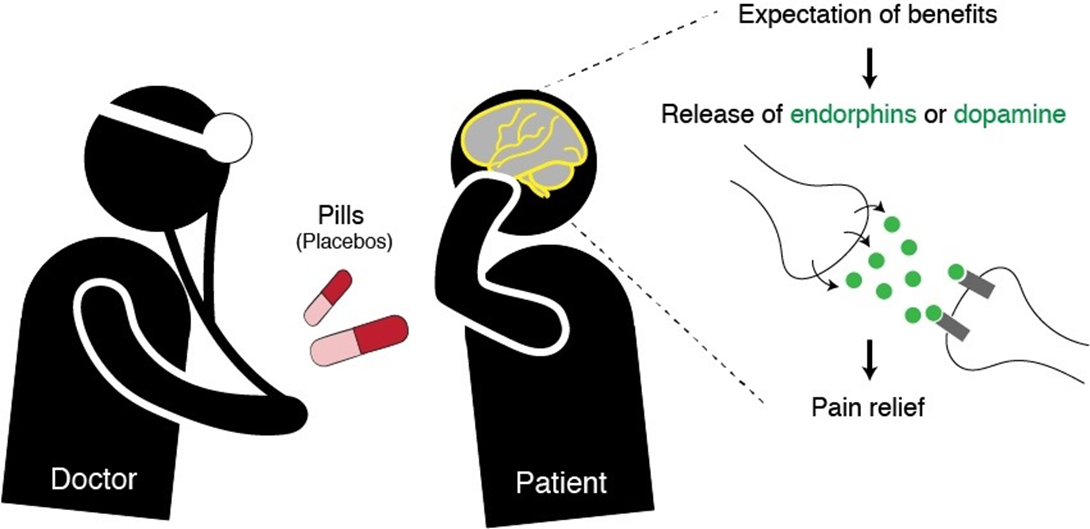
The healthcare provider prescribes a placebo instead of pain medication. Which intervention should the nurse implement?
Tell the charge nurse about the prescribed placebo and refuse to administer it.
Discuss ethical concerns about placebo use with the healthcare provider.
Administer the placebo as prescribed when the client reports pain.
Inform the client that the provider prescribed a placebo instead of pain medication.
The Correct Answer is B
Choice A reason: Telling the charge nurse and refusing to administer the placebo could be seen as insubordination and does not address the ethical concerns associated with placebo use.
Choice B reason: Discussing ethical concerns with the healthcare provider is the most appropriate action as it addresses the potential breach of patient trust and informed consent associated with placebo use.
Choice C reason: Administering the placebo as prescribed without addressing the ethical implications could compromise the nurse's professional integrity and the patient's trust.
Choice D reason: Informing the client that a placebo was prescribed could undermine the treatment plan and the provider-patient relationship, potentially causing harm to the client.
Nursing Test Bank
Naxlex Comprehensive Predictor Exams
Related Questions
Correct Answer is B
Explanation
Choice A reason: While it's important to know if the client can lie prone, this is not the most critical piece of information prior to an intravenous pyelogram.
Choice B reason: Asking about a shellfish allergy is crucial because the contrast dye used in an intravenous pyelogram may contain iodine, which can cause an allergic reaction in individuals with shellfish allergies.
Choice C reason: Knowing the last time the client had a bowel movement is less critical than knowing about potential allergies to the contrast dye.
Choice D reason: While it's important to know about medication schedules, the risk of an allergic reaction to the contrast dye is a more immediate concern that could affect the safety of the procedure.
Correct Answer is D
Explanation
Choice A reason: A broad-spectrum antibiotic is not indicated for Addison's disease unless there is a concurrent bacterial infection.
Choice B reason: Regular insulin is used to lower blood glucose levels, which are not elevated in this case.
Choice C reason: Potassium chloride would not be prescribed as the potassium level is already high.
Choice D reason: Hydrocortisone is anticipated because it is a corticosteroid replacement therapy, which is essential for a patient with Addison's disease experiencing an adrenal crisis.

Whether you are a student looking to ace your exams or a practicing nurse seeking to enhance your expertise , our nursing education contents will empower you with the confidence and competence to make a difference in the lives of patients and become a respected leader in the healthcare field.
Visit Naxlex, invest in your future and unlock endless possibilities with our unparalleled nursing education contents today