
The most common cause of coronary artery disease is
Myocarditis
Hypoglycemia
Atherosclerosis
Vasospasm
The Correct Answer is C
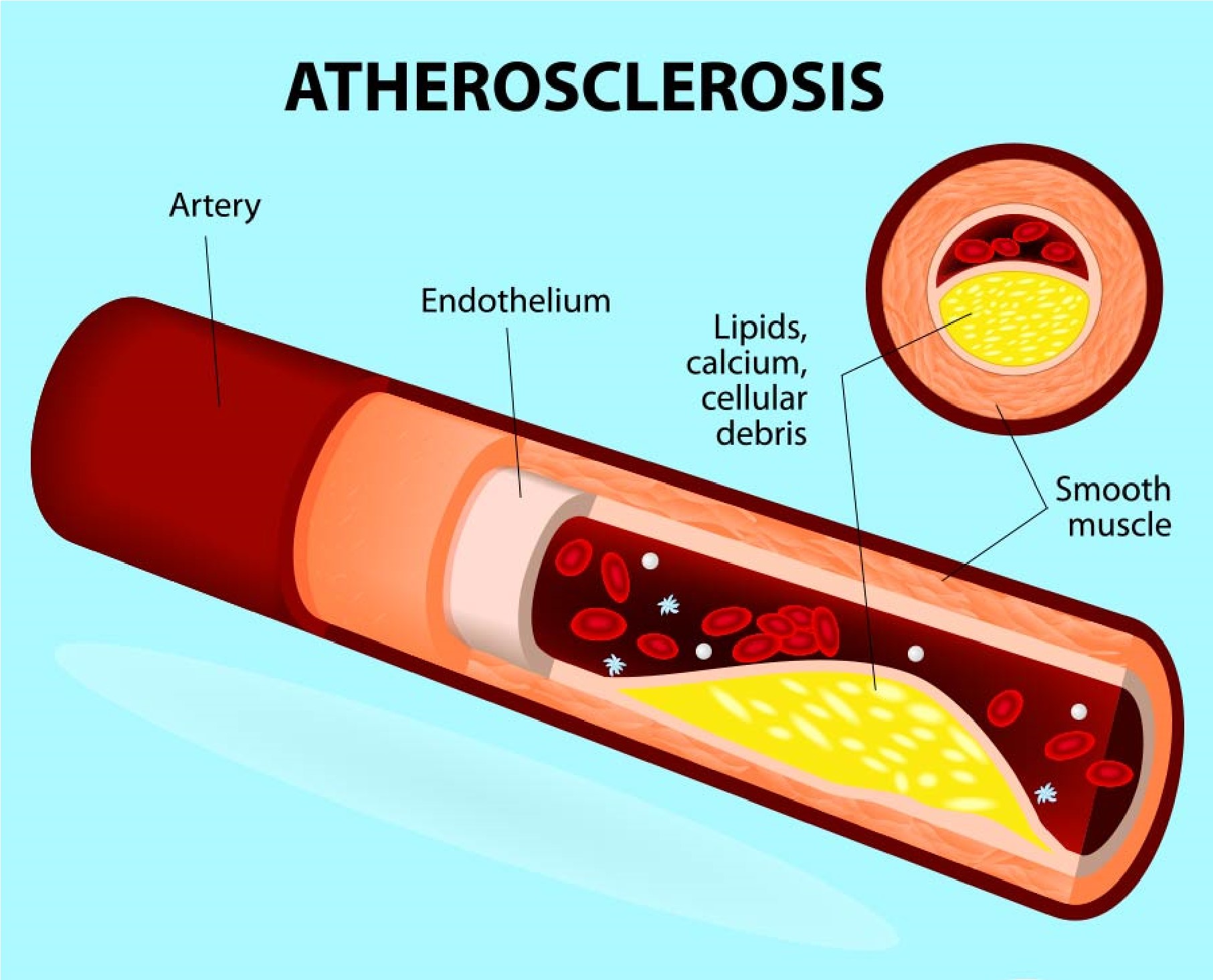
Atherosclerosis is a condition where the walls of the arteries become thick and hard due to the accumulation of fatty deposits, cholesterol, and other substances. Over time, these deposits can build up and narrow the arteries, reducing blood flow to the heart muscle. This can lead to the development of coronary artery disease, which is a condition where the heart muscle does not get enough oxygen and nutrients to function properly. The narrowing of the arteries can also increase the risk of blood clots, which can lead to a heart attack or stroke.
Myocarditis is an inflammation of the heart muscle, usually caused by a viral infection, and is not the most common cause of coronary artery disease.
Hypoglycemia is a condition where the blood sugar level is too low, and it is not directly related to the development of coronary artery disease.
Vasospasm is a sudden constriction of a blood vessel, which can lead to reduced blood flow and tissue damage. It can contribute to the development of coronary artery disease, but it is not the most common cause.
Nursing Test Bank
Naxlex Comprehensive Predictor Exams
Related Questions
Correct Answer is D
Explanation
Sustained hypertension can lead to several complications, including damage to the blood vessels in the retina (retinopathy), increased risk of stroke, and damage to the kidneys (renal disease). Other potential complications include heart disease, peripheral arterial disease, and cognitive impairment. It is important to manage hypertension through lifestyle modifications and medication to prevent these complications.
Correct Answer is {"dropdown-group-1":"B"}
Explanation
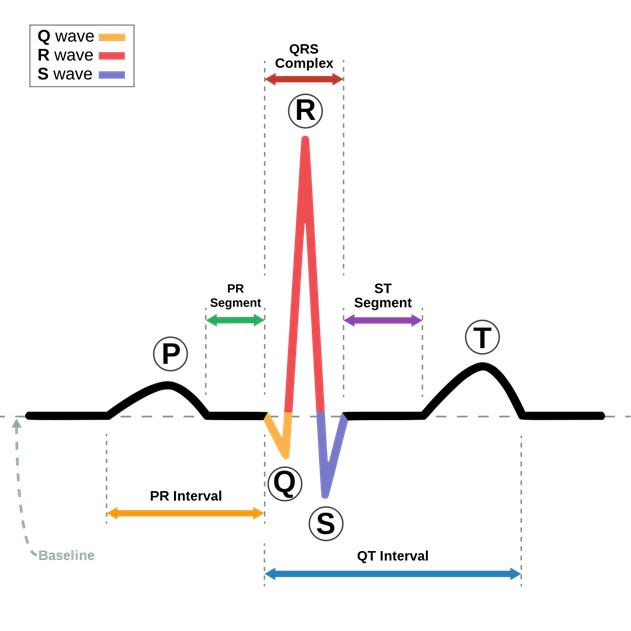
PR interval: the time it takes for the electrical impulse to travel from the sinoatrial (SA) node to the atrioventricular (AV) node
QT interval: the time it takes for ventricular depolarization and repolarization to occur
ST segment: the period between ventricular depolarization and repolarization, representing the plateau phase of the ventricular action potential.
Whether you are a student looking to ace your exams or a practicing nurse seeking to enhance your expertise , our nursing education contents will empower you with the confidence and competence to make a difference in the lives of patients and become a respected leader in the healthcare field.
Visit Naxlex, invest in your future and unlock endless possibilities with our unparalleled nursing education contents today