
The nurse consults with a patient who is a vegan and stresses that this diet puts the patient at risk for
lactose intolerance
iron deficiency
diabetes
pneumonia
The Correct Answer is B
A. Lactose intolerance is more related to the absence of the enzyme lactase, commonly found in individuals who have a reduced ability to digest lactose (milk sugar), regardless of their dietary choices.
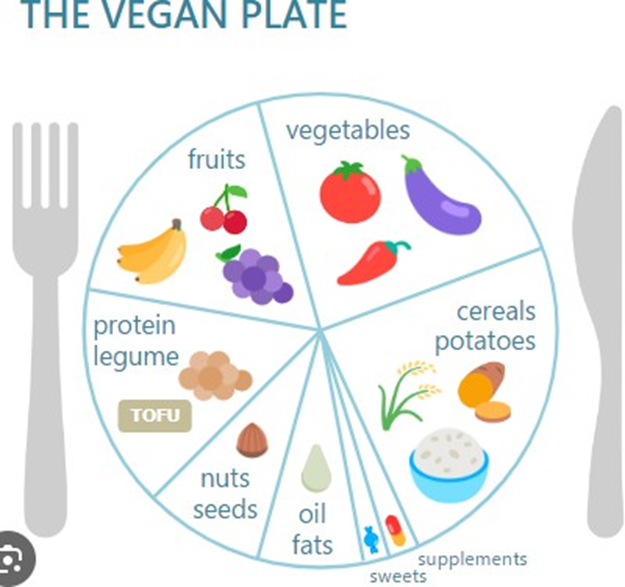
B. Vegan diets may lack sufficient iron intake as plant-based sources of iron (non-heme iron) are not as readily absorbed by the body compared to heme iron found in animal products. This can put vegans at a higher risk of iron deficiency.
C. Diabetes risk is influenced by various factors, including genetics and lifestyle, rather than specifically by following a vegan diet.
D. Pneumonia risk is not directly associated with following a vegan diet but can be influenced by overall health, immune function, and exposure to pathogens.
Nursing Test Bank
Naxlex Comprehensive Predictor Exams
Related Questions
Correct Answer is B
Explanation
A. Glucose is a simple sugar and is readily broken down and absorbed by the body for energy.
B. Fiber, a type of carbohydrate, cannot be digested by human digestive enzymes. It passes through the digestive system intact, aiding in bowel movements and promoting gut health.
C. Glycerol is a component of triglycerides (fats) and can be metabolized by the body for energy.
D. Fatty acids are the building blocks of fats and are broken down by digestive enzymes for absorption.
Correct Answer is C
Explanation
A. Mushrooms are used in Asian cuisine but are not particularly known as a significant source of protein.
B. Bamboo shoots are a common vegetable used in Asian dishes but do not contain substantial protein content.
C. Soybeans are a staple in Asian diets and are renowned for being a high-quality plant-based protein source.
D. Rice is a staple carbohydrate in many Asian cuisines but is not a significant source of protein.
Whether you are a student looking to ace your exams or a practicing nurse seeking to enhance your expertise , our nursing education contents will empower you with the confidence and competence to make a difference in the lives of patients and become a respected leader in the healthcare field.
Visit Naxlex, invest in your future and unlock endless possibilities with our unparalleled nursing education contents today