
The nurse is caring for a client diagnosed with schizophrenia. Which of the following should the nurse identify as findings consistent with schizophrenia? (Select all that apply.)
Schizophrenia can be cured with antidepressants.
Schizophrenia typically first presents in adolescence or early adulthood.
Antipsychotic medications can be used to manage symptoms of hallucinations and delusions.
Some clients with schizophrenia have a higher risk of substance abuse disorders.
Schizophrenia affects thoughts and perceptions.
Correct Answer : B,C,D,E
Choice A Reason:
Schizophrenia cannot be cured with antidepressants. Antidepressants may be used to treat comorbid depression in individuals with schizophrenia, but they do not address the core symptoms of schizophrenia itself. Schizophrenia is a chronic condition that typically requires lifelong treatment with antipsychotic medications to manage symptoms.
Choice B Reason:
Schizophrenia typically first presents in adolescence or early adulthood. This is the period when symptoms such as hallucinations, delusions, and disorganized thinking often first become apparent. The onset of schizophrenia during this developmental stage can significantly impact an individual's social and vocational abilities.
Choice C Reason:
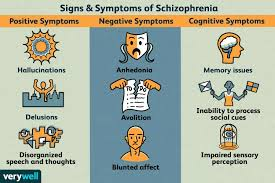
Antipsychotic medications are the cornerstone of schizophrenia treatment. They can be used to manage symptoms of hallucinations and delusions, which are known as positive symptoms of schizophrenia. These medications work by affecting neurotransmitters in the brain, particularly dopamine.
Choice D Reason:
Individuals with schizophrenia have a higher risk of substance abuse disorders. Substance use can exacerbate symptoms of schizophrenia and complicate the course of the illness. It is important for treatment plans to address any co-occurring substance use disorders.
Choice E Reason:
Schizophrenia significantly affects thoughts and perceptions. It can cause distorted thinking patterns, false beliefs, and sensory experiences that others do not share. These symptoms can be distressing and may lead to difficulties in distinguishing reality.
Nursing Test Bank
Naxlex Comprehensive Predictor Exams
Related Questions
Correct Answer is ["C","E","F"]
Explanation
Choice A Reason:
Advocating for one's rights and the rights of others is not typically seen as a characteristic of aggressive communication. It can be a feature of assertive communication, where the individual stands up for their rights in a respectful and non-confrontational manner.
Choice B Reason:
Seeking to avoid expressing personal opinions is not characteristic of aggressive communicators. Aggressive communicators are more likely to forcefully express their opinions without regard for others' feelings or perspectives.
Choice C Reason:
Being controlling during conversations is a hallmark of aggressive communication. Aggressive communicators often dominate discussions, impose their views, and may disregard others' input.
Choice D Reason:
Feeling anxious about how messages will be received is not typically associated with aggressive communication. This trait is more aligned with passive communication, where individuals may be concerned about others' reactions and thus may hold back their true thoughts.
Choice E Reason:
Blaming others for misunderstandings is a common behavior in aggressive communication. Aggressive communicators may not take responsibility for their part in a conflict and instead put the blame on others.
Choice F Reason:
Frequently interrupting others during conversation is indicative of aggressive communication. This behavior demonstrates a lack of respect for others' contributions and a desire to control the conversation.
Correct Answer is C
Explanation
Choice A reason:
Bleeding is not commonly associated with the use of haloperidol. While antipsychotic medications can have a wide range of side effects, bleeding is not typically reported as an adverse effect of haloperidol.
Choice B reason:
Pancreatitis is not a recognized adverse effect of haloperidol. This condition involves inflammation of the pancreas and is more commonly associated with medications that affect the gastrointestinal system directly.
Choice C reason:
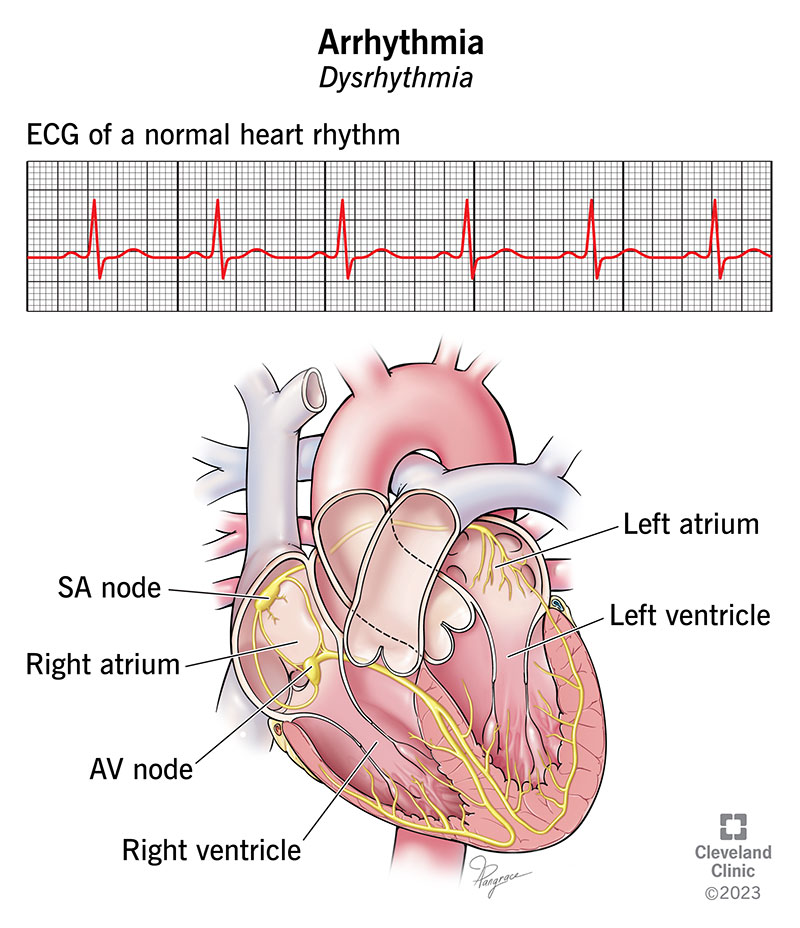
Dysrhythmias, or abnormal heart rhythms, are known adverse effects of haloperidol. This medication can affect the electrical activity of the heart, potentially leading to serious cardiac events.
Choice D reason:
Cataracts are not a direct adverse effect of haloperidol. While long-term use of some medications can increase the risk of developing cataracts, haloperidol is not specifically linked to this condition.
Whether you are a student looking to ace your exams or a practicing nurse seeking to enhance your expertise , our nursing education contents will empower you with the confidence and competence to make a difference in the lives of patients and become a respected leader in the healthcare field.
Visit Naxlex, invest in your future and unlock endless possibilities with our unparalleled nursing education contents today