
The nurse is caring for a client with ovarian cancer. The client is to receive chemotherapy consisting of paclitaxel and carboplatin. For What adverse effect of this treatment should the nurse look out for?
Leukopenia
Metabolic acidosis
Hyperphosphatemia
Respiratory alkalosis
The Correct Answer is A
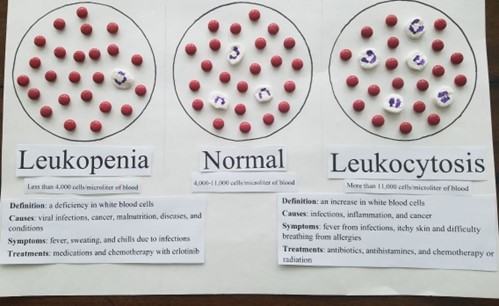
A. Leukopenia: Chemotherapy with paclitaxel and carboplatin can cause myelosuppression, leading to a significant decrease in white blood cells (leukopenia). This makes the client more susceptible to infections and is a common and serious adverse effect that the nurse should monitor closely.
B. Metabolic acidosis: This condition is less commonly associated with chemotherapy agents like paclitaxel and carboplatin. It usually results from conditions like renal failure, diabetic ketoacidosis, or severe diarrhea rather than chemotherapy.
C. Hyperphosphatemia: This electrolyte imbalance is not a typical adverse effect of paclitaxel and carboplatin. It is more commonly associated with conditions like chronic kidney disease or excessive phosphate intake.
D. Respiratory alkalosis: This condition is typically caused by hyperventilation and is not a known direct adverse effect of paclitaxel and carboplatin chemotherapy. The nurse should monitor for more common side effects related to chemotherapy, such as leukopenia.
Nursing Test Bank
Naxlex Comprehensive Predictor Exams
Related Questions
Correct Answer is D
Explanation
This statement shows that the client understands that gonorrhea is a sexually transmited infection that requires treatment for both sexual partners to prevent reinfection. Options a and b are incorrect because douching and over-the-counter medications are not recommended for the treatment of gonorrhea. Option c is also incorrect because while penicillin used to be the recommended treatment for gonorrhea, many strains of the bacteria have developed resistance to it, and other antibiotics are now used instead.
Correct Answer is A
Explanation
If a couple has used at-home ovulation testing with basal body temperature and has not conceived, the first treatment option may depend on the underlying cause of infertility. However, the most common first-line treatment for infertility is selective estrogen receptor modulator clomiphene. This medication stimulates ovulation and can increase the chances of conception.
Surgery to reduce endometriosis may be considered if endometriosis is the underlying cause of infertility. However, surgery is not always successful and may not be the first option.
Intrauterine insemination (IUI) with sperm from the husband is another option that may be considered if the male partner has mild to moderate sperm abnormalities or if there is unexplained infertility. IUI involves placing washed sperm directly into the uterus during ovulation.
Assisted reproductive technologies (ART), such as in vitro fertilization (IVF), may be considered if other treatments have been unsuccessful or if there are more severe fertility issues. ART involves combining eggs and sperm outside of the body and transferring the resulting embryo(s) into the uterus.
The choice of treatment will depend on the underlying cause of infertility, the age of the couple, and other factors that may impact fertility. It is important for the couple to consult with a healthcare provider who specializes in fertility treatments to determine the best course of action.
Whether you are a student looking to ace your exams or a practicing nurse seeking to enhance your expertise , our nursing education contents will empower you with the confidence and competence to make a difference in the lives of patients and become a respected leader in the healthcare field.
Visit Naxlex, invest in your future and unlock endless possibilities with our unparalleled nursing education contents today