
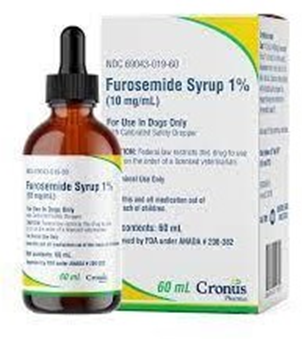
The nurse is preparing to administer furosemide 80 mg PO daily. The amount available is furosemide oral solution 10mg/1mL. How many mL should the nurse administer? (Round to the nearest whole number and label your answer.)
The Correct Answer is ["8"]
To answer this question, the nurse needs to use the formula:
mL = (mg x 1 mL) / mg
where mg is the prescribed dose and mL is the available dose. Plugging in the values, we get:
mL = (80 mg x 1 mL) / 10 mg mL = 8 mL
Therefore, the nurse should administer 8 mL of furosemide oral solution.
Nursing Test Bank
Naxlex Comprehensive Predictor Exams
Related Questions
Correct Answer is D
Explanation
A. Droplet precautions are used for diseases transmitted via respiratory droplets, such as influenza or pertussis.
B. Neutropenic precautions are implemented to protect clients with compromised immune systems from exposure to pathogens, typically in the environment.
C. Airborne precautions are used for diseases transmitted via small droplet nuclei that remain suspended in the air, such as tuberculosis or measles.
D. Contact precautions are appropriate for clients infected or colonized with multidrug-resistant organisms like VRE, requiring the use of gloves and gowns when providing care to prevent transmission.
Correct Answer is C
Explanation
A. Whole wheat pasta is not typically high in purines.
B. Broccoli is a vegetable and generally not high in purines.
C. Shellfish, such as shrimp, crab, and lobster, are high in purines and should be avoided by individuals with gout.
D. Cranberries are fruits and are generally low in purines.
Whether you are a student looking to ace your exams or a practicing nurse seeking to enhance your expertise , our nursing education contents will empower you with the confidence and competence to make a difference in the lives of patients and become a respected leader in the healthcare field.
Visit Naxlex, invest in your future and unlock endless possibilities with our unparalleled nursing education contents today