
The nurse is taking care of a 60-year-old client with constant bubbling in the water seal chamber. The nurse knows that constant bubbling in the water seal of a chest drainage system indicates which problem?
Air leak
Tension pneumothorax
Kink in the tubing
Increased drainage
Tidaling
The Correct Answer is A
Choice A Reason:
Constant bubbling in the water seal chamber of a chest drainage system typically indicates an air leak. This can occur if there is a break in the system, allowing air to enter. The air leak could be from the chest tube insertion site, the tubing, or the drainage system itself. Identifying and correcting the source of the air leak is crucial to ensure the system functions properly and the patient’s condition does not worsen.
Choice B Reason:
A tension pneumothorax is a life-threatening condition where air accumulates in the pleural space and cannot escape, leading to increased pressure on the lungs and other thoracic structures. While a tension pneumothorax can cause significant respiratory distress, it is not typically indicated by constant bubbling in the water seal chamber. Instead, signs of tension pneumothorax include tracheal deviation, hypotension, and severe respiratory distress.
Choice C Reason:
A kink in the tubing of a chest drainage system can obstruct the flow of air and fluid, but it does not cause constant bubbling in the water seal chamber. Instead, a kink would likely result in a lack of drainage or intermittent bubbling as the obstruction temporarily blocks and then allows passage of air or fluid.
Choice D Reason:
Increased drainage in a chest tube system indicates that more fluid or air is being removed from the pleural space, but it does not cause constant bubbling in the water seal chamber. Increased drainage might be seen in cases of hemothorax or pleural effusion, where large amounts of fluid are present.
Choice E Reason:
Tidaling refers to the normal rise and fall of water in the water seal chamber with the patient’s respiratory cycle. It indicates that the chest tube is patent and functioning correctly. Absence of tidaling could suggest that the lung has fully re-expanded or that there is an obstruction in the system. However, tidaling itself does not cause constant bubbling.
Nursing Test Bank
Naxlex Comprehensive Predictor Exams
Related Questions
Correct Answer is A
Explanation
The correct answer is a) 1 cup of milk.
Choice A reason: One cup of milk contains approximately 15 grams of carbohydrates. Milk is a good source of carbohydrates, protein, and calcium, making it a suitable option for maintaining blood glucose levels during exercise. It is important for individuals with diabetes to monitor their carbohydrate intake to manage their blood sugar levels effectively.
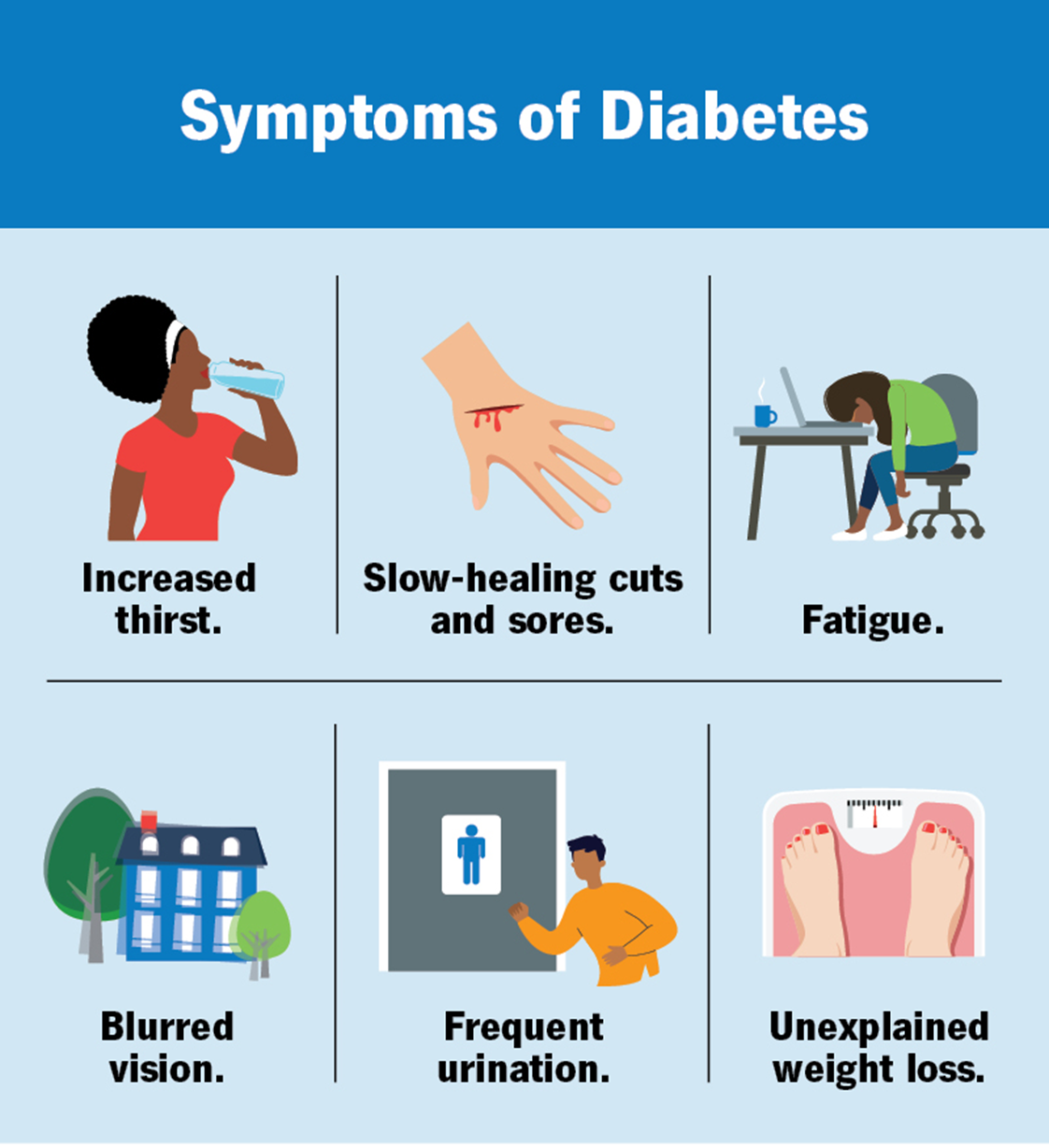
Choice B reason: Half a cup of regular ice cream contains around 15 grams of carbohydrates. However, ice cream also contains high levels of sugar and fat, which may not be the healthiest option for regular consumption, especially for individuals with diabetes. While it can be included occasionally, it is better to choose healthier carbohydrate sources.
Choice C reason: One slice of bread typically contains about 15 grams of carbohydrates. Bread, especially whole grain or whole wheat varieties, can be a good source of carbohydrates for individuals with diabetes. It provides fiber, which helps in maintaining stable blood sugar levels.
Choice D reason: One cup of sugar-free yogurt does not contain 15 grams of carbohydrates. Sugar-free yogurt usually has fewer carbohydrates compared to regular yogurt. It is important to read the nutritional labels to determine the exact carbohydrate content. Regular yogurt, on the other hand, can be a good source of carbohydrates.
Correct Answer is B
Explanation
Choice A: You May Bring Some Music to Listen to for Distraction
Bringing music for distraction is generally not a standard instruction given before an EEG. While listening to music might help some patients relax, it is not a critical part of the preparation for the test. The primary focus of EEG preparation is to ensure accurate readings of brain activity, which can be influenced by various factors such as medication and sleep.
Choice B: Do Not Take Any Sedatives 12 to 24 Hours Before the Test
Avoiding sedatives before an EEG is crucial because these medications can alter brain activity and affect the test results. Sedatives can suppress the electrical activity in the brain, leading to inaccurate readings. Therefore, it is essential for patients to avoid taking any sedatives 12 to 24 hours before the test to ensure the EEG captures the brain’s natural activity.
Choice C: You Will Need to Have Someone to Drive You Home
This instruction is typically given if the patient is expected to be sedated or if the test involves procedures that might impair their ability to drive. However, for a standard EEG, patients are usually not sedated, and there is no need for someone to drive them home. This instruction is more relevant for other types of medical procedures that involve sedation.
Choice D: Please Do Not Have Anything to Eat or Drink After Midnight
Fasting is not a standard requirement for an EEG. Patients are generally allowed to eat and drink before the test. However, they are often advised to avoid caffeine as it can affect brain activity. The instruction to avoid food and drink after midnight is more commonly associated with procedures that require anesthesia or sedation, not an EEG.
Whether you are a student looking to ace your exams or a practicing nurse seeking to enhance your expertise , our nursing education contents will empower you with the confidence and competence to make a difference in the lives of patients and become a respected leader in the healthcare field.
Visit Naxlex, invest in your future and unlock endless possibilities with our unparalleled nursing education contents today