
The nurse observes a client on a clear liquid diet has a cup of coffee on the breakfast tray. Which action should the nurse implement?
Remind the client no milk or creamer can be added to the coffee.
Determine which member of the nursing staff brought the cup of coffee to the client.
Remove the coffee from the tray, advising the client that it is not included in the diet.
Consult with the dietitian to learn if the client is allowed to drink coffee.
The Correct Answer is C
C. A clear liquid diet typically includes transparent or translucent liquids that are easy to digest and leave minimal residue in the gastrointestinal tract. Coffee, especially if it contains milk or creamer, is not considered a clear liquid and is not usually permitted on a clear liquid diet.
A. Reminding the client no milk or creamer can be added to the coffee may be appropriate for clients on other dietary restrictions but does not address the issue of coffee not being part of a clear liquid diet.
B. Determining which member of the nursing staff brought the cup of coffee to the client is not necessary unless there is a need to investigate a specific incident or identify potential lapses in care.
D. Consulting with the dietitian to learn if the client is allowed to drink coffee may be appropriate for clarifying dietary restrictions or allowances, but in the context of a clear liquid diet, coffee is typically not permitted regardless of the dietitian's input.
Nursing Test Bank
Naxlex Comprehensive Predictor Exams
Related Questions
Correct Answer is D
Explanation
D. When encountering a medication dosage that appears unusually large or different from what is expected, the nurse should always verify the prescription with the healthcare provider before administering the medication. This step ensures patient safety and helps prevent medication errors.
A. Giving the dosage recommended in the drug handbook may not be appropriate if the prescribed dosage differs significantly from the usual or recommended dosage due to patient- specific factors or other considerations.
B. In situations where the prescribed dosage seems unusually large or different from the usual guidelines, it is essential to confirm with the healthcare provider who wrote the prescription to ensure accuracy and appropriateness for the specific patient.
C. Administering the medication as prescribed without further clarification could potentially lead to harm if the prescribed dosage is incorrect or inappropriate for the patient's condition.
Correct Answer is {"A":{"answers":"A"},"B":{"answers":"B,C"},"C":{"answers":"D"}}
Explanation
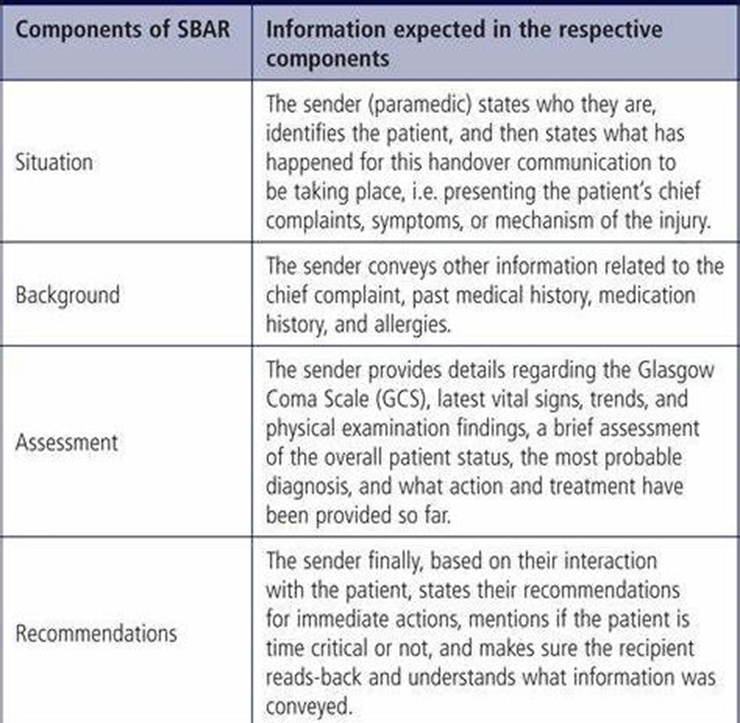
The medical history of the client provides a background of the current issue of concern The nurse describes the current situation that has prompted her to contact the healthcare provider
A recommendation provides a proposal of plan of care to allow the healthcare provider to either agree, disagree or add more insight
Whether you are a student looking to ace your exams or a practicing nurse seeking to enhance your expertise , our nursing education contents will empower you with the confidence and competence to make a difference in the lives of patients and become a respected leader in the healthcare field.
Visit Naxlex, invest in your future and unlock endless possibilities with our unparalleled nursing education contents today