
The practical nurse (PN) plans to screen only high-risk children for scoliosis. Which group of children should the PN screen?
High school boys.
High school girls.
Middle school boys.
Middle school girls.
The Correct Answer is D
This is the group of children that the PN should screen for scoliosis because they are at the highest risk of developing this condition. Scoliosis is a lateral curvature of the spine that usually occurs during the growth spurt before puberty. Girls are more likely than boys to have scoliosis, and the condition tends to worsen during adolescence.
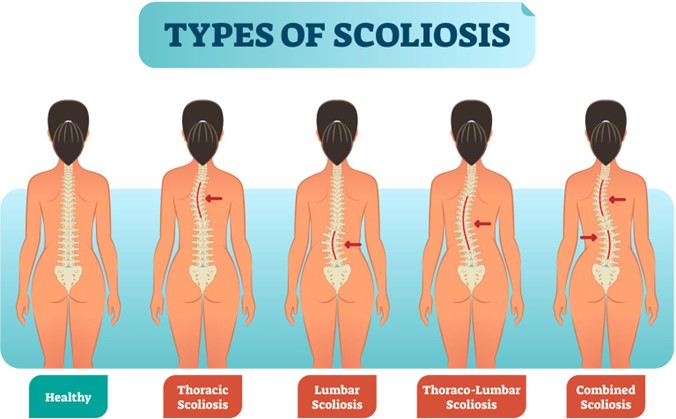
A. High school boys are not at high risk of scoliosis and do not need to be screened unless they have signs or symptoms of the condition.
B. High school girls are at lower risk of scoliosis than middle school girls because they have completed most of their growth spurt and their condition is less likely to progress.
C. Middle school boys are at lower risk of scoliosis than middle school girls because they have a slower growth rate and a later onset of puberty.
Nursing Test Bank
Naxlex Comprehensive Predictor Exams
Related Questions
Correct Answer is A
Explanation
The correct answer is Choice A:
The solution should approximate the client's body temperature (98°F or 36°C). Choice A rationale:
The ideal temperature for administering an oil retention enema is to approximate the client's body temperature. Using a solution at the client's body temperature helps to prevent discomfort and potential injury to the rectal mucosa. The temperature of 98°F (36°C) is considered safe and comfortable for the client.
Choice B rationale:
This option is incorrect because the temperature of the enema solution does matter. Administering an enema that is too cold or too hot can cause discomfort, cramping, and potential damage to the rectal tissue.
Choice C rationale:
This option is not the best choice because relying solely on the client's comfort level may not ensure the optimal temperature for the enema solution. The client's perception of comfort can vary, and it may not necessarily reflect the ideal temperature for administration.
Choice D rationale:
This option is incorrect because using a temperature higher than the client's body temperature, such as 110°F (43°C), can be harmful and increase the risk of burns or injury to the rectal lining.
Correct Answer is C
Explanation
The correct answer is choice C. Assign the remainder of medication administration to another PN who is performing treatments.
Choice A rationale:
Asking unlicensed assistive personnel (UAP) to give medications to their assigned residents is not the best action to take in this situation. Medication administration requires a certain level of training and knowledge to ensure safe and accurate delivery. UAPs may not have the appropriate training and legal authorization to administer medications, which could lead to potential errors and harm to the residents.
Choice B rationale:
Documenting why all the medications were not given to each resident is not sufficient to address the issue at hand. While documentation is essential for record-keeping and communication, it does not resolve the problem of medication administration being left incomplete. The priority should be finding a qualified person to administer the remaining medications.
Choice C rationale:
This is the correct answer because assigning the remainder of medication administration to another PN who is performing treatments ensures that qualified and trained personnel are handling the medication administration. This PN is likely familiar with medication protocols and safety measures, reducing the risk of errors.
Choice D rationale:
Denying the medication aide's request to leave before all medications are given might not be practical if the aide is genuinely unwell or unable to continue working safely. The focus should be on ensuring that medication administration is completed by qualified staff rather than forcing the sick aide to stay.
Whether you are a student looking to ace your exams or a practicing nurse seeking to enhance your expertise , our nursing education contents will empower you with the confidence and competence to make a difference in the lives of patients and become a respected leader in the healthcare field.
Visit Naxlex, invest in your future and unlock endless possibilities with our unparalleled nursing education contents today