
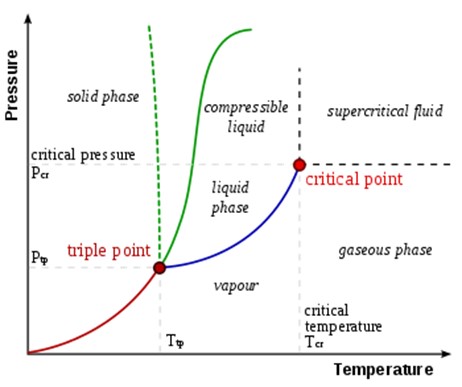
The triple point of a substance is the temperature and pressure at which the substance exists as which of the following?
Simultaneously in sol, gel, and plasma phases
As a gel with solid and liquid trapped in gas
As a sol with gas and solid trapped in liquid
Simultaneously in solid, liquid, and gas phases
The Correct Answer is D
The triple point of a substance is the temperature and pressure at which the substance exists simultaneously in solid, liquid, and gas phases ¹. In thermodynamics, the triple point of a substance is the temperature and pressure at which the three phases (gas, liquid, and solid) of that substance coexist in thermodynamic equilibrium ¹.
The other options are not correct because they do not accurately describe the triple point of a substance. Sol, gel, and plasma are not phases that coexist at the triple
Nursing Test Bank
Naxlex Comprehensive Predictor Exams
Related Questions
Correct Answer is B
Explanation
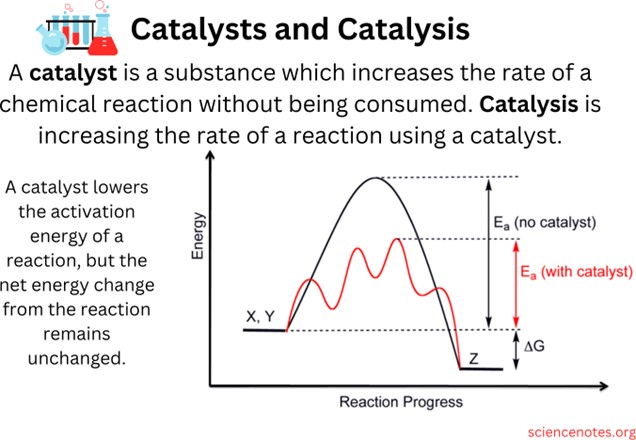
The result of using a catalyst in a chemical reaction is that the reaction is completed in a shorter amount of time. A catalyst is a chemical substance that affects the rate of a chemical reaction by altering the activation energy required for the reaction to proceed. This process is called catalysis. A catalyst provides an alternative pathway for the reaction, one that has a lower activation energy than the uncatalyzed pathway.
The other options are not correct because they do not accurately describe the result of using a catalyst in a chemical reaction. A more desirable product is not necessarily formed, a greater amount of heat energy is not necessarily released by the reaction, and the yield of the product is not necessarily increased as a result of using a catalyst.
Correct Answer is B
Explanation
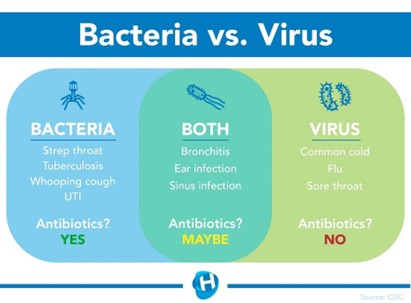
The doctor refuses to prescribe antibiotics to the patient because the illness is caused by a virus. The common cold is a viral infection of the upper respiratory tract ⁴. Antibiotics are not effective against viral infections and are only used to treat bacterial infections.
The other options are not correct because they do not accurately describe the cause of the common cold and sore throat. Fungus, protist, and bacteria are not the pathogens responsible for causing the common cold .
Whether you are a student looking to ace your exams or a practicing nurse seeking to enhance your expertise , our nursing education contents will empower you with the confidence and competence to make a difference in the lives of patients and become a respected leader in the healthcare field.
Visit Naxlex, invest in your future and unlock endless possibilities with our unparalleled nursing education contents today