
What is the most common symptom of bladder cancer?
Overflow incontinence
Palpable abdominal mass
Painless hematuria
Urolithiasis
The Correct Answer is C
Painless hematuria is the most common symptom of bladder cancer, which is a malignant tumor that arises from the urothelial cells that line the bladder.
Hematuria is the presence of blood in the urine that can be gross or microscopic. Bladder cancer can also cause other symptoms such as dysuria, frequency, urgency, or pelvic pain.
Nursing Test Bank
Naxlex Comprehensive Predictor Exams
Related Questions
Correct Answer is C
Explanation
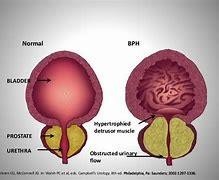
Benign prostatic hyperplasia (BPH) is a noncancerous enlargement of the prostate gland, a walnut-sized organ that surrounds the urethra in men. The enlarged prostate can compress the urethra and cause urinary problems, such as difficulty starting or stopping urination, weak urine stream, frequent or urgent urination, and blood in the urine. Transurethral prostate resection (TURP) is a surgical procedure that removes excess prostate tissue and relieves the pressure on the urethra.
Correct Answer is B
Explanation
Lymphedema is a chronic condition that occurs when the lymphatic system is impaired and cannot drain excess fluid from the tissues, resulting in swelling and discomfort in one or more limbs or body parts. It can be caused by an obstruction in the lymphatic system due to surgery, radiation therapy, infection, injury, or congenital malformation.
Whether you are a student looking to ace your exams or a practicing nurse seeking to enhance your expertise , our nursing education contents will empower you with the confidence and competence to make a difference in the lives of patients and become a respected leader in the healthcare field.
Visit Naxlex, invest in your future and unlock endless possibilities with our unparalleled nursing education contents today