
What might the nurse explain as a common treatment for amblyopia?
Patching the good eye to force the brain to use the affected eye
Patching the affected eye to allow the refractory muscles to rest
Using corticosteroids to treat inflammation of the optic nerve
Using glasses that will slightly blur the image for the good eye
The Correct Answer is A
A. Amblyopia occurs when one eye has weaker vision than the other due to abnormal visual development early in life. Patching the good eye helps to encourage the brain to rely more on the weaker eye, stimulating its visual development. This treatment aims to improve vision in the affected eye and restore visual acuity.
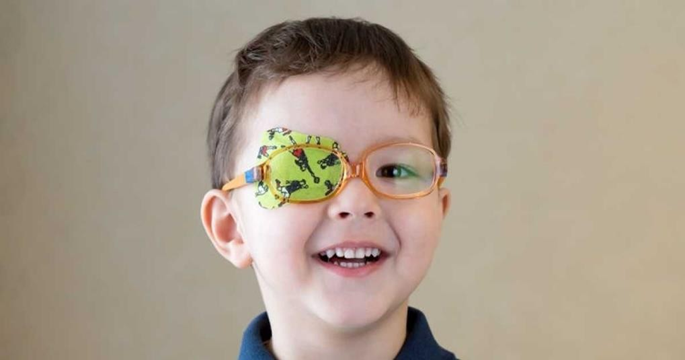
B. Patching the affected eye is not a common treatment for amblyopia. In fact, patching the affected eye would further decrease visual input to that eye and could potentially exacerbate the condition. The goal of treatment for amblyopia is to strengthen the weaker eye by encouraging its use, rather than resting it.
C. Corticosteroids are not typically used to treat amblyopia unless there is a specific underlying condition causing inflammation of the optic nerve. Amblyopia is primarily a developmental issue rather than an inflammatory condition, so corticosteroids would not be the first-line treatment for this condition.
D. This is not a common treatment for amblyopia. In fact, the goal of treatment for amblyopia is to improve vision in the affected eye, not to intentionally blur the vision in the good eye. Glasses prescribed for amblyopia typically aim to correct refractive errors (such as nearsightedness, farsightedness, or astigmatism) and provide clear vision to both eyes, which can help support visual development in the weaker eye.
Nursing Test Bank
Naxlex Comprehensive Predictor Exams
Related Questions
Correct Answer is D
Explanation
D. If the tympanostomy tubes fall out, the parent should contact the healthcare clinic or the healthcare provider who performed the procedure. They can provide guidance on whether the child needs to be seen for an evaluation and potential replacement of the tubes. Reporting the situation allows for appropriate follow-up and management by the healthcare team.
A. Tympanostomy tubes are small tubes inserted into the eardrums to help drain fluid from the middle ear and prevent recurrent ear infections. While they are designed to stay in place for a certain period, it is possible for them to fall out prematurely.
B. It's important for the parent to seek medical advice if the tubes fall out but it may not always require an immediate visit to the emergency department. However, if the child experiences severe pain, bleeding, or signs of infection after the tubes fall out, seeking urgent medical attention may be warranted.
C. Only a healthcare provider should insert or reinsert tympanostomy tubes. Attempting to reinsert the tubes at home without proper training and equipment could cause injury or damage to the ear.
Correct Answer is D
Explanation
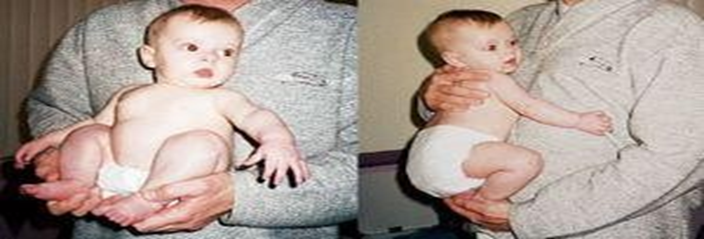
This position, often referred to as the "knee-to-chest" position, is recommended during a cyanotic spell in infants with tetralogy of Fallot because it can help increase venous return to the heart and improve oxygenation. It's important for caregivers to understand this positioning as part of the management for hypercyanotic spells in children with this condition.
A. Placing the baby upright in an infant seat may help improve blood flow and oxygenation, but it's not the recommended position for managing cyanosis in a baby with tetralogy of Fallot.
B. Placing the baby with the head lower than the rest of the body could potentially worsen cyanosis by increasing right-to-left shunting of blood and decreasing pulmonary blood flow.
C. Placing the baby in a supine position with the head elevated worsens pulmonary blood flow by increasing systemic vascular resistance. This position can help worsen cyanosis by promoting better oxygenation.
Whether you are a student looking to ace your exams or a practicing nurse seeking to enhance your expertise , our nursing education contents will empower you with the confidence and competence to make a difference in the lives of patients and become a respected leader in the healthcare field.
Visit Naxlex, invest in your future and unlock endless possibilities with our unparalleled nursing education contents today