
Which interventions should be implemented for a pediatric client experiencing an asthma exacerbation? (SELECT ALL THAT APPLY)
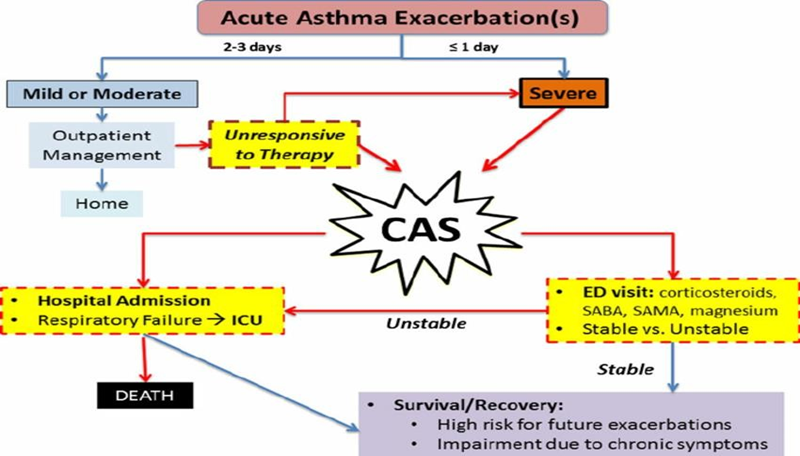
Administer corticosteroid medications as prescribed
Place the client in a supine position
Encourage the client to engage in vigorous physical activity
Administer bronchodilator medications as prescribed
Apply cold compresses to the client's chest
Correct Answer : A,D
A. Corticosteroids help reduce airway inflammation during an asthma exacerbation, which can help improve breathing and reduce symptoms.
D. Bronchodilator medications, such as albuterol, help relax the muscles around the airways, making it easier to breathe during an asthma exacerbation. They are typically used as rescue medications to provide immediate relief of asthma symptoms.
B. Placing the client in a supine position (lying flat on their back) is not recommended during an asthma exacerbation. This position can make breathing more difficult for someone experiencing respiratory distress.
C. Vigorous physical activity can exacerbate asthma symptoms and trigger an asthma attack. During an asthma exacerbation, it's important to encourage the client to rest and avoid strenuous activities that could worsen their breathing difficulties.
E. Cold compresses are not recommended for asthma exacerbations. Warm, moist air may help loosen mucus and ease breathing, but cold compresses could potentially exacerbate symptoms or discomfort.
Nursing Test Bank
Naxlex Comprehensive Predictor Exams
Related Questions
Correct Answer is C
Explanation
C. Cerebral palsy is a chronic condition that affects muscle control and movement. It is caused by damage to or abnormal development of the parts of the brain that control movement, balance, and posture. This damage can occur before, during, or shortly after birth, and it results in difficulties with muscle coordination, balance, and motor skills.
A. Cerebral palsy is not caused by an infectious agent; it is a non-progressive neurological disorder that affects movement, posture, and muscle coordination. It is primarily caused by abnormal development or damage to the brain before, during, or shortly after birth, rather than by an infectious disease.
B. Cerebral palsy is not caused by inflammation of the brain due to a viral illness. While viral illnesses can lead to complications, such as encephalitis (inflammation of the brain), cerebral palsy itself is not caused by inflammation but rather by neurological damage or abnormal development.
D. Cerebral palsy primarily affects movement and muscle control but it does not necessarily result in intellectual disability. Intellectual disability can occur in some cases of cerebral palsy, but it is not a defining characteristic of the condition.
Correct Answer is D
Explanation
D. Pancreatic enzymes should not be mixed with acidic foods or liquids, as this can reduce their effectiveness. Instead, the enzymes should be sprinkled on soft, non-acidic foods or swallowed whole with a glass of water or juice.
A. Pancreatic enzymes are generally safe and well-tolerated when taken as prescribed but they can cause side effects in some individuals. Common side effects may include abdominal pain, diarrhea, constipation, nausea, and bloating.
B. Pancreatic enzymes help individuals with cystic fibrosis digest fat, as well as proteins and carbohydrates. In cystic fibrosis, the pancreas does not produce enough digestive enzymes, leading to malabsorption of nutrients, particularly fat. Supplemental pancreatic enzymes help compensate for this deficiency and improve nutrient absorption.
C. Pancreatic enzymes are typically taken with meals or snacks to aid in digestion. However, if the child is consuming a small meal or snack that contains minimal fat, the enzymes may not be necessary. It's important for the mother to follow the healthcare provider's instructions regarding when and how to administer the enzymes.
Whether you are a student looking to ace your exams or a practicing nurse seeking to enhance your expertise , our nursing education contents will empower you with the confidence and competence to make a difference in the lives of patients and become a respected leader in the healthcare field.
Visit Naxlex, invest in your future and unlock endless possibilities with our unparalleled nursing education contents today