
When assessing the patient’s ability to perform rapid altering movements, the nurse is observing the:
Sensory system
Peripheral acuity
Cranial nerves
Motor system
The Correct Answer is D
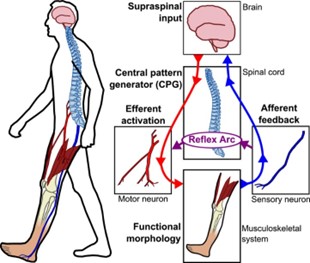
The motor system refers to the parts of the nervous system that control voluntary movements, including the muscles, nerves, and brain. Rapid alternating movements are movements that require the coordination of multiple muscle groups, such as tapping fingers or rotating the wrist. By observing the patient's ability to perform these movements, the nurse can assess the integrity and function of the motor system.
Nursing Test Bank
Naxlex Comprehensive Predictor Exams
Related Questions
Correct Answer is C
Explanation
When a patient is admitted with a complaint of chest pain, the priority assessment would be to determine whether the patient is experiencing an acute cardiac event, such as a heart attack. This would involve a comprehensive assessment that includes obtaining the patient's medical history, vital signs (blood pressure, heart rate, respiratory rate, oxygen saturation), performing a physical exam, and obtaining an electrocardiogram (ECG).
Other important factors to assess include the location and nature of the pain, any associated symptoms (such as shortness of breath or diaphoresis), the patient's current medications and medical history (including any history of heart disease or risk factors), and any recent procedures or interventions that may have led to the current presentation.
Prompt assessment and intervention are crucial in managing a patient with chest pain, as timely treatment can help to minimize damage to the heart muscle and prevent further complications. Therefore, any signs of an acute cardiac event should be immediately reported to the healthcare provider in charge, and appropriate interventions should be initiated promptly.

Correct Answer is C
Explanation
Option c, clarity, odor, and amount is the correct answer. These are important parameters to assess when inspecting urine. The clarity of the urine can indicate the presence of particles or bacteria.
The odor of the urine can provide clues about potential infections or other medical conditions. The amount of urine can help to assess hydration status and kidney function.
Option a, consistency, clarity, and articulation is not applicable to urine as urine is a liquid and does not have consistency or articulation.
Option b, consistency, residual, and odor is partially correct. Residual urine can be assessed through other methods such as ultrasound or catheterization, but it is not typically assessed through a visual inspection of the urine.
Option d, clarity, firmness, and amount, is not applicable to urine as urine does not have firmness.
Whether you are a student looking to ace your exams or a practicing nurse seeking to enhance your expertise , our nursing education contents will empower you with the confidence and competence to make a difference in the lives of patients and become a respected leader in the healthcare field.
Visit Naxlex, invest in your future and unlock endless possibilities with our unparalleled nursing education contents today