
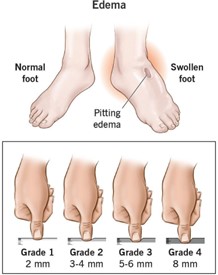
The nurse is checking for edema in the lower extremities of a patient with Congestive heart failure. The nurse will do which of the following when checking for edema. (Select all that apply)
Grade the edema on a scale of +1 to +4.
Press the skin over the tibia.
Have the patient plantar flex their feet.
Check one limb only.
Correct Answer : A,B
When checking for edema in the lower extremities of a patient with Congestive heart failure, the nurse will grade the edema on a scale of +1 to +4 and press the skin over the tibia. Plantar flexing the feet is not necessary for assessing edema in the lower extremities, and checking only one limb is not sufficient as edema may occur in both legs.
Nursing Test Bank
Naxlex Comprehensive Predictor Exams
Related Questions
Correct Answer is B
Explanation
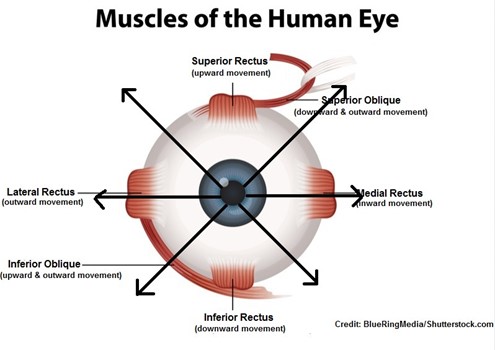
The nurse is assessing the 6 stages of the cardinal gaze to evaluate the function of the cranial nerves III, IV, and VI for ocular motor movements, which control eye movement and positioning.
Cranial nerve III controls the superior rectus, inferior rectus, and medial rectus muscles, which move the eye up, down, and inward, respectively. Cranial nerve IV controls the superior oblique muscle, which moves the eye downward and laterally. Cranial nerve VI controls the lateral rectus muscle, which moves the eye outward.
Therefore, the nurse will observe the patient's ability to move their eyes smoothly in each of the six cardinal positions of gaze and note any abnormalities that may indicate dysfunction of these cranial nerves. This test is used to diagnose conditions such as strabismus, nystagmus, and palsy of the ocular motor nerves.
Cranial nerve II, on the other hand, is responsible for visual acuity, not eye movement, and is tested separately using a visual acuity chart or other vision tests.
Correct Answer is ["C","D"]
Explanation
The Mini-Mental Status Exam assesses cognitive function, which is often included in the psychosocial assessment, and the Activities of Daily Living Tool assesses the patient's ability to perform daily tasks, which is also important to understand the patient's level of functioning.
Whether you are a student looking to ace your exams or a practicing nurse seeking to enhance your expertise , our nursing education contents will empower you with the confidence and competence to make a difference in the lives of patients and become a respected leader in the healthcare field.
Visit Naxlex, invest in your future and unlock endless possibilities with our unparalleled nursing education contents today