
When considering an individual's risk for suicide, which client will the nurse consider the priority?
The recent Middle Eastern immigrant from a war-torn country
The gay male who has been diagnosed with HIV
The older transgender female who has been repeatedly assaulted
The teenager recovering from a self-inflicted gunshot wound
The Correct Answer is D
A. Being an immigrant from a war-torn country is a risk factor but not an immediate priority based on the information provided.
B. While being diagnosed with HIV poses mental health risks, there's no immediate suicidal attempt or ideation described in the scenario.
C. Repeated assaults are traumatic, but there's no indication of immediate suicidal risk.
D. The teenager recovering from a self-inflicted gunshot wound indicates an immediate and recent attempt at suicide, making them the highest priority for monitoring and intervention.
Nursing Test Bank
Naxlex Comprehensive Predictor Exams
Related Questions
Correct Answer is B
Explanation
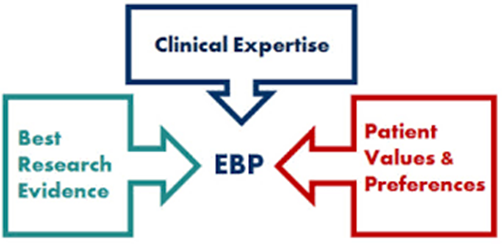
A. Clinical algorithms help in standardizing certain processes but might not specifically integrate evidence-based practice guidelines for evaluating therapy plans.
B. Clinical practice guidelines offer evidence-based recommendations, aiding healthcare providers in decision-making for specific conditions or treatments.
C. While the internet may provide information, it might lack the vetting and credibility of evidence-based practice guidelines provided by reputable sources.
D. Clinical pathways provide a structured approach to care delivery but might not inherently integrate evidence-based practice guidelines unless these are explicitly incorporated into the pathway.
Correct Answer is D
Explanation
A. While assessing depression is crucial, in a situation following a suicide attempt, the immediate safety of the client takes precedence.
B. While ensuring the client's nutrition is important, safety regarding the recent suicide attempt is the priority.
C. This is relevant to the situation but doesn't directly address the immediate risk of self-harm or suicide.
D. Given the client's history of a suicide attempt and the present situation, initiating measures to ensure the client's safety and prevent any further harm, such as suicide precautions, is the priority.
Whether you are a student looking to ace your exams or a practicing nurse seeking to enhance your expertise , our nursing education contents will empower you with the confidence and competence to make a difference in the lives of patients and become a respected leader in the healthcare field.
Visit Naxlex, invest in your future and unlock endless possibilities with our unparalleled nursing education contents today